About this memoir
This memoir is not intended to be a day-by-day account of our journey or a travel guide to Botswana and Namibia’s Zambezi Region. Nor is it an attempt to record every place we visited or every wildlife sighting we enjoyed.
Instead, I wanted to capture not only where we went, but what the journey felt like. To do that, my aim was to let the experiences, conversations and landscapes speak for themselves, allowing their meaning to unfold naturally. Rather than simply describing destinations, I wanted to explore how Africa quietly changed the way I experienced time, nature, companionship and the road itself.
Many of the moments described in these pages may seem ordinary on their own. Yet, looking back, I realised that the true impact of the journey lay not in any single experience, but in the way they all came together. The whole became far greater than the sum of its parts.
I hope this memoir allows those who shared the journey to relive some of its spirit, and offers those who were not there a glimpse of how, little by little, Africa has a remarkable way of getting under your skin.
Author: Johan du Preez
Into the heart of Southern Africa
7 June 2026. Eleven Suzuki Jimnys, with seasoned Africa explorer and guide JJ du Toit leading the way, rolled through the Ramathlabama border post and into Botswana. South Africa slipped quietly behind us. Ahead lay eleven days of adventure.
Soon we were on the Trans-Kalahari Highway, a long ribbon of tarmac stretching across the vast Kalahari region. It links South Africa, Botswana and Namibia through some of southern Africa’s most sparsely populated landscapes.
The convoy found its rhythm, one that would carry us through Botswana and Namibia’s Zambezi Region over the next eleven days.
The maps had become roads.
Our long-planned journey with Suzuki Safari’s Big in Botswana 2026 expedition had begun.
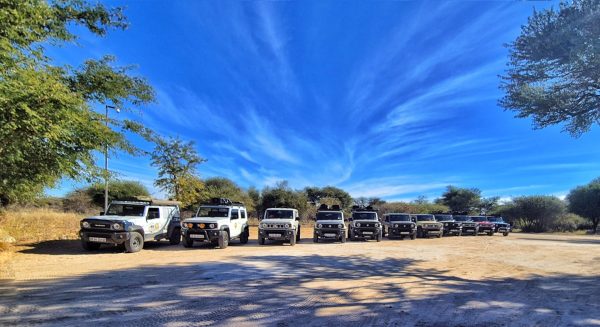
The start of a deeper relationship with Africa
But before Botswana, there was Namibia.
A year earlier, many of us had also travelled together on Suzuki Safari’s Namibia’s Forgotten Land Safari 2025, exploring a land of vast silences, ancient deserts and untamed wilderness. It was a journey that taught us to slow down, to surrender to nature’s rhythm and to rediscover a quieter version of ourselves. What had begun as an overland safari became something far more profound – a pilgrimage through landscapes unbothered by time, where every panoramic vista, every dusty track, and every campfire left an imprint on our souls.
As my Jimny settled into the steady rhythm of this new convoy, my thoughts drifted back to Namibia. It was difficult to imagine that Botswana could leave a deeper impression. How could it? Namibia’s immense landscapes and timeless beauty had set the bar impossibly high, regardless of what JJ had planned for the days ahead.
But that assumption stayed with me for only a little while.
Over the next eleven days, Botswana would reveal itself not as a destination to be measured against Namibia, but as a place with a character entirely its own. It would offer experiences that neither competed with nor eclipsed those of Namibia’s Forgotten Land Safari. Instead, they would deepen our understanding of Africa in ways none of us had anticipated.
Little did we know that Namibia had merely opened the door. There was more to explore and discover. Africa was only beginning to get under our skin.
Leaving the familiar
There are few moments that signal the end of the familiar quite like approaching a border post, especially when the road ahead leads deeper into Africa. Anticipation and uncertainty arrive together.
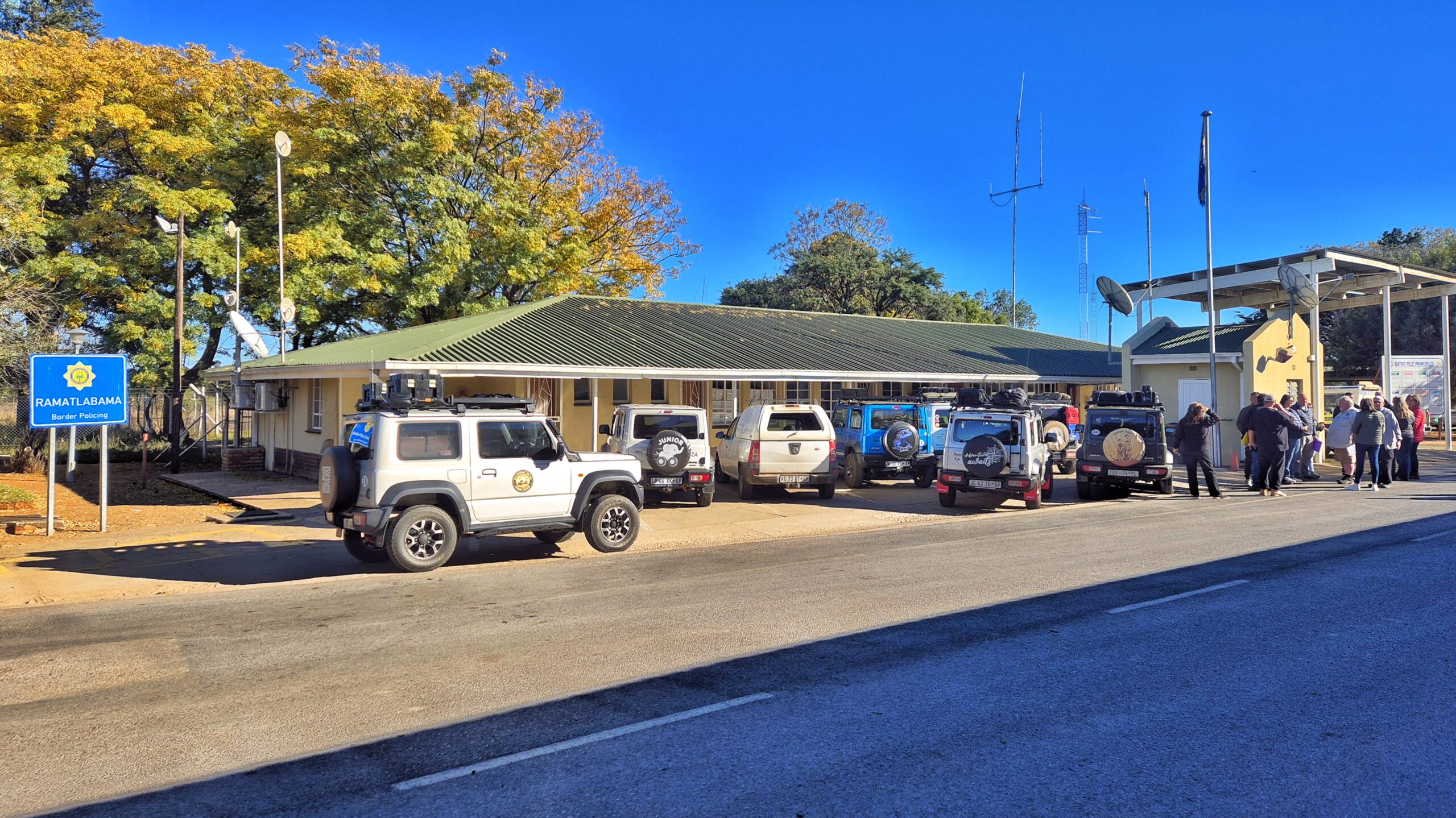
Over the next eleven days, we would cross five of border posts: Ramathlabama, Mohembo, Ngoma, Kazungula and Parrs Halt/Stockpoort. Except for the Parrs Halt/Stockpoort border post where we re-entered South Africa, each crossing marked another step away from certainty and another step into the unknown.
Contrary to the stories one so often hears, every crossing was surprisingly uneventful. Our passports were stamped, our vehicle documents processed, and we were soon on our way again.
Yet the atmosphere seldom changed. The buildings were functional rather than welcoming. Conversations were brief. We quickly learned the unspoken etiquette: wait silently, speak only when spoken to, and let the officials follow their well-rehearsed routine.
Veterinary control points at the border posts and further afield became just as familiar. At each one, the wheels of our vehicles were sprayed with disinfectant to prevent the spreading of foot-and-mouth disease. We also had to step onto thick, liquid-soaked mats. These compressed beneath our weight with a noticeable squelch, forcing the green disinfectant deep into the soles of our shoes. It was a ritual we soon accepted, though never the sharp, sterile smell that lingered in the air long after we had climbed back into our vehicles.
With an Ebola outbreak affecting parts of West Africa at the time, medical checks also formed part of the routine at many border posts. Depending on where we crossed, these ranged from having our body temperature taken with a handheld scanner to little more than a cursory wave towards the next counter.
One thing, however, never became routine. Each fresh stamp in my passport marked the beginning of another chapter of the journey, yet every time I found myself hoping for a simple, “Welcome to my country.” This never came.
Perhaps that, too, was part of travelling through this part of Africa. Border posts were places of transition rather than destination. They quietly introduced us to Africa’s rhythm – a rhythm that could not be hurried, only accepted. They were the first of many reminders that this journey would unfold on Africa’s terms, not ours.
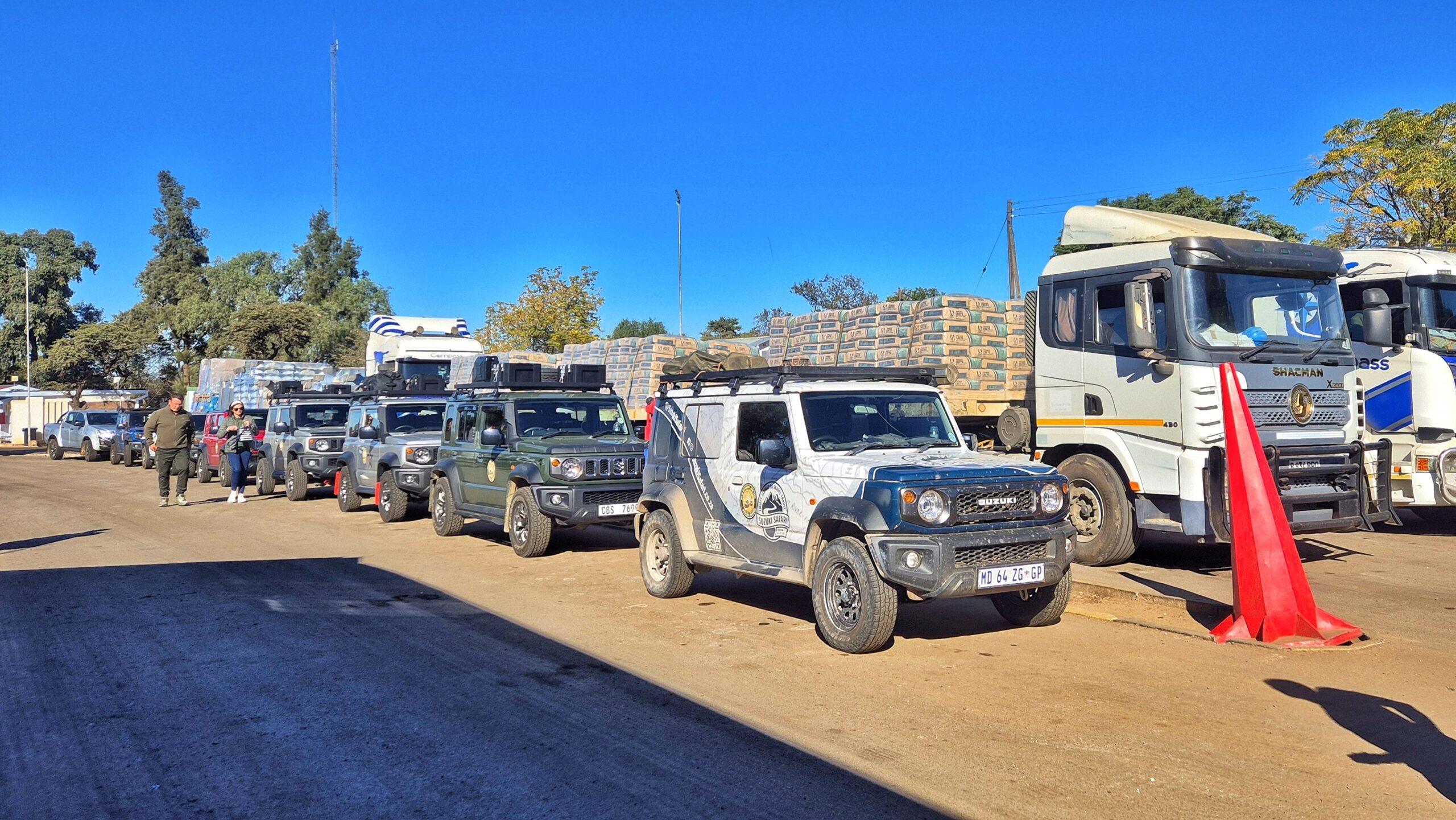
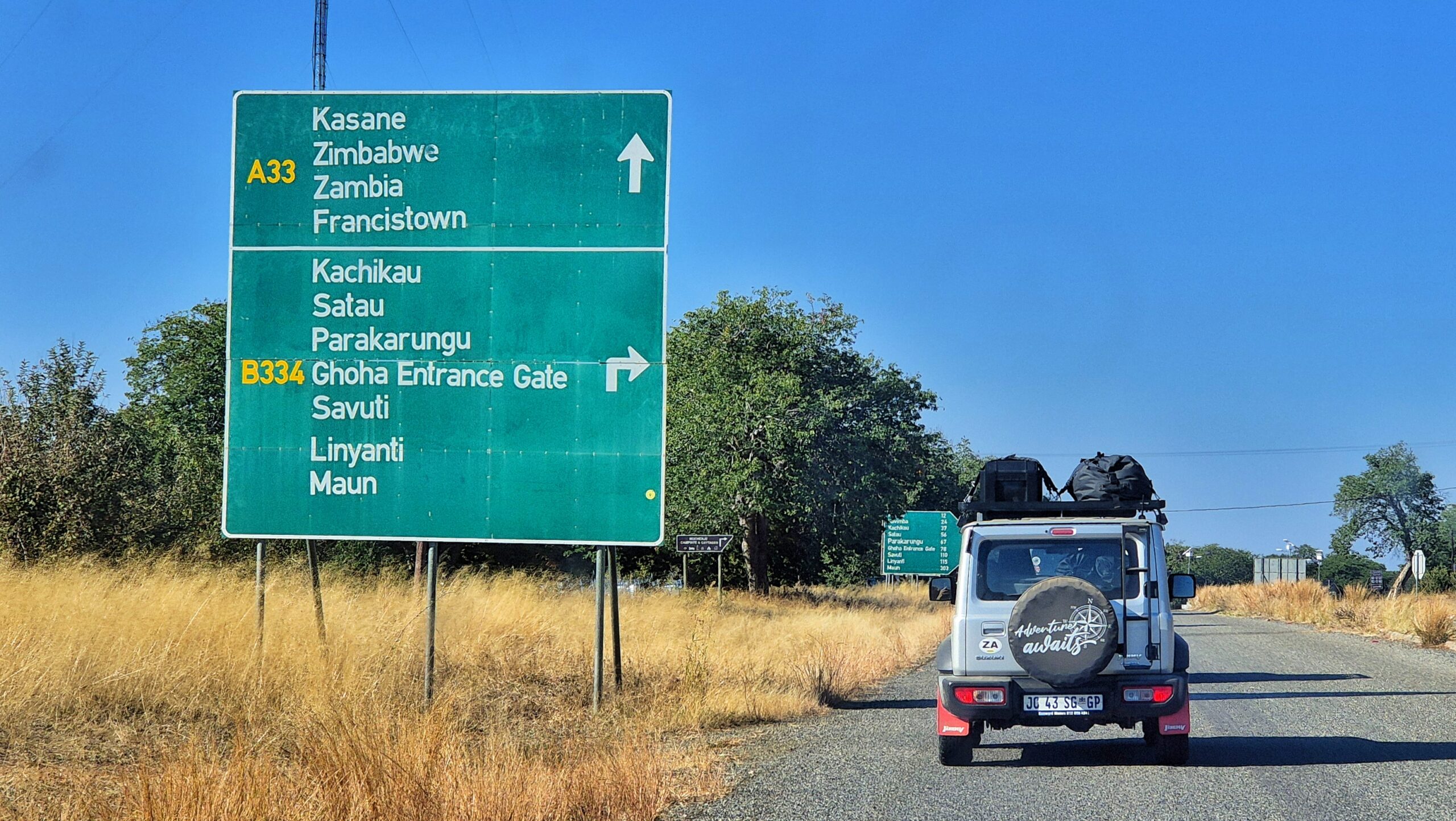
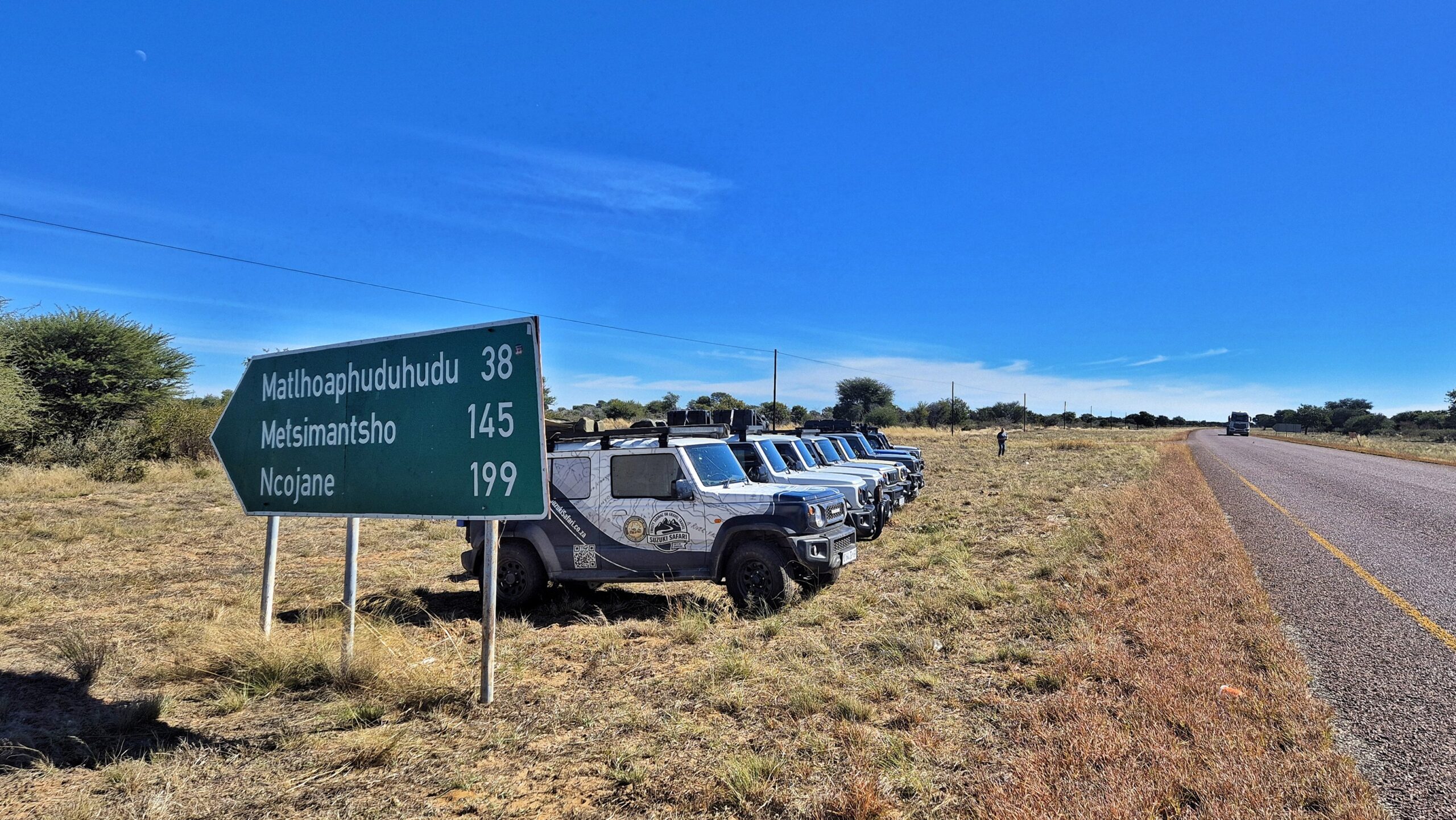
But the border posts were only the beginning. There were many more reminders that we were leaving the ordinary behind. We shared border post parking areas and battered roads with the endless procession of freight trucks that form Africa’s logistical lifeline, rubbing shoulders with their long-distance drivers while waiting for passports to be stamped. We discovered geographical curiosities such as the vanishing Lake Ngami; savoured the warm deliciousness of freshly baked magwinya – a traditional African comfort food consisting of yeast dough that is deep-fried until it forms a crisp, golden-brown pastry with a soft, airy interior; followed JJ’s Taxi Man route along a 73-kilometre two-spoor track between Mmea and Mmashoro Village; and smiled at our repeated attempts to pronounce Matlhoaphuduhudu after spotting this village name on a roadside sign. Each encounter, no matter how ordinary or unexpected, quietly reminded us that we were no longer living by the routine of our everyday world.
Learning Africa’s pace
Botswana doesn’t get under your skin because of its spectacular sightings. It does so little by little, changing the way you experience time, silence, companionship and nature. By the end of the journey, you realise you haven’t simply travelled through Botswana – Botswana has quietly found its way into you.
But there was one condition. Botswana reveals itself only to those willing to surrender control, slow down and accept its pace.
At first, this was the difficult part for me. I thought the journey only began at Swamp Stop Okavango River Camp. From Ramathlabama border post, more than a thousand kilometres and three days of driving still lay between us and our first campsite. My mind was fixed on reaching the destination, convinced that Botswana’s real story would only begin once we arrived there. This was another assumption that would not survive the journey.
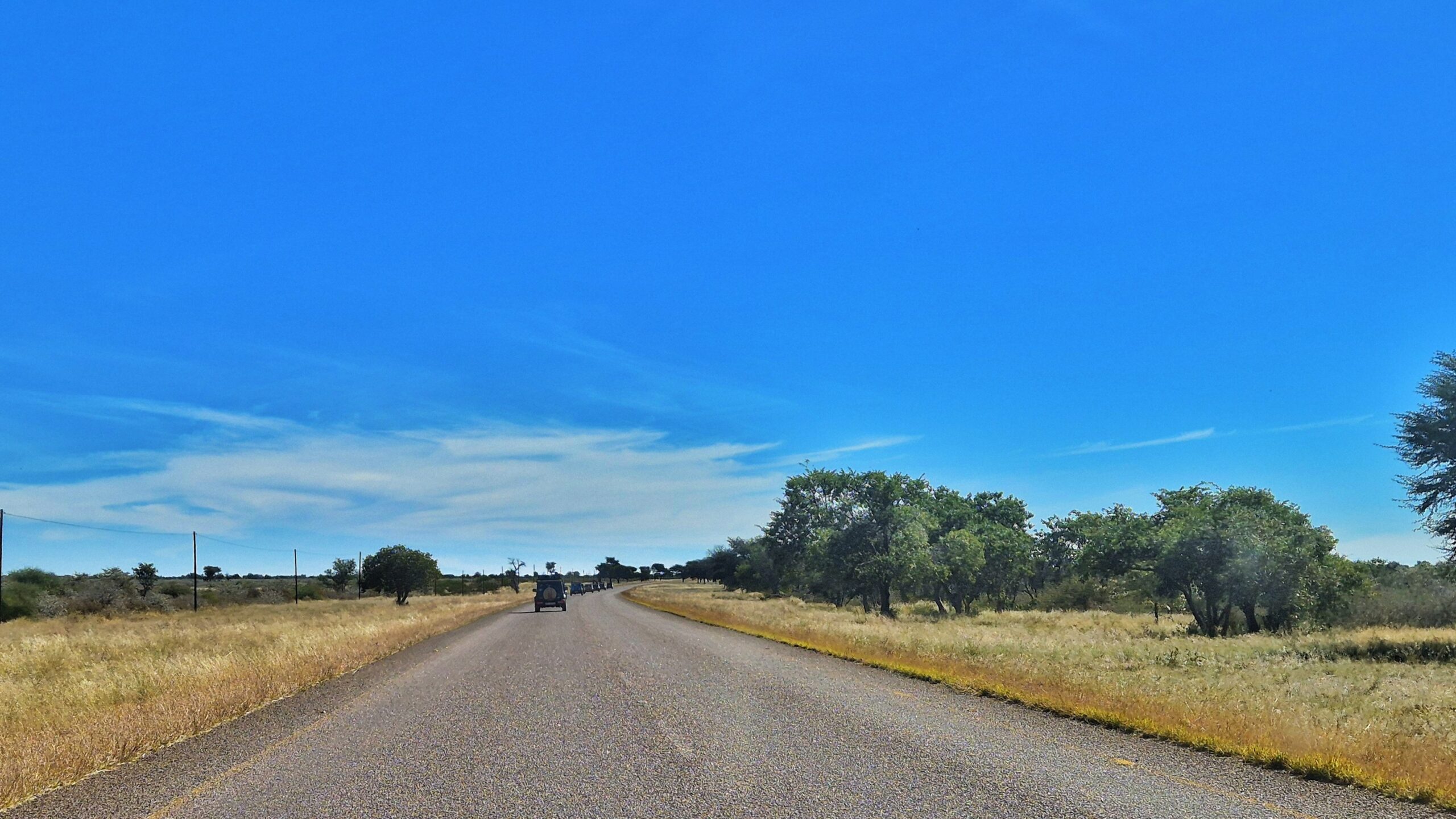
Travelling on the long, uninterrupted stretches of the reasonably maintained Trans-Kalahari Highway on day one and two gave me little choice but to slow down. There was no sense in trying to hurry up. Wide horizons stretched beyond the reach of the eye. Golden grasslands rolled towards distant lines of thorn trees. The landscape seemed to breathe at its own unhurried pace, quietly inviting me to do the same.
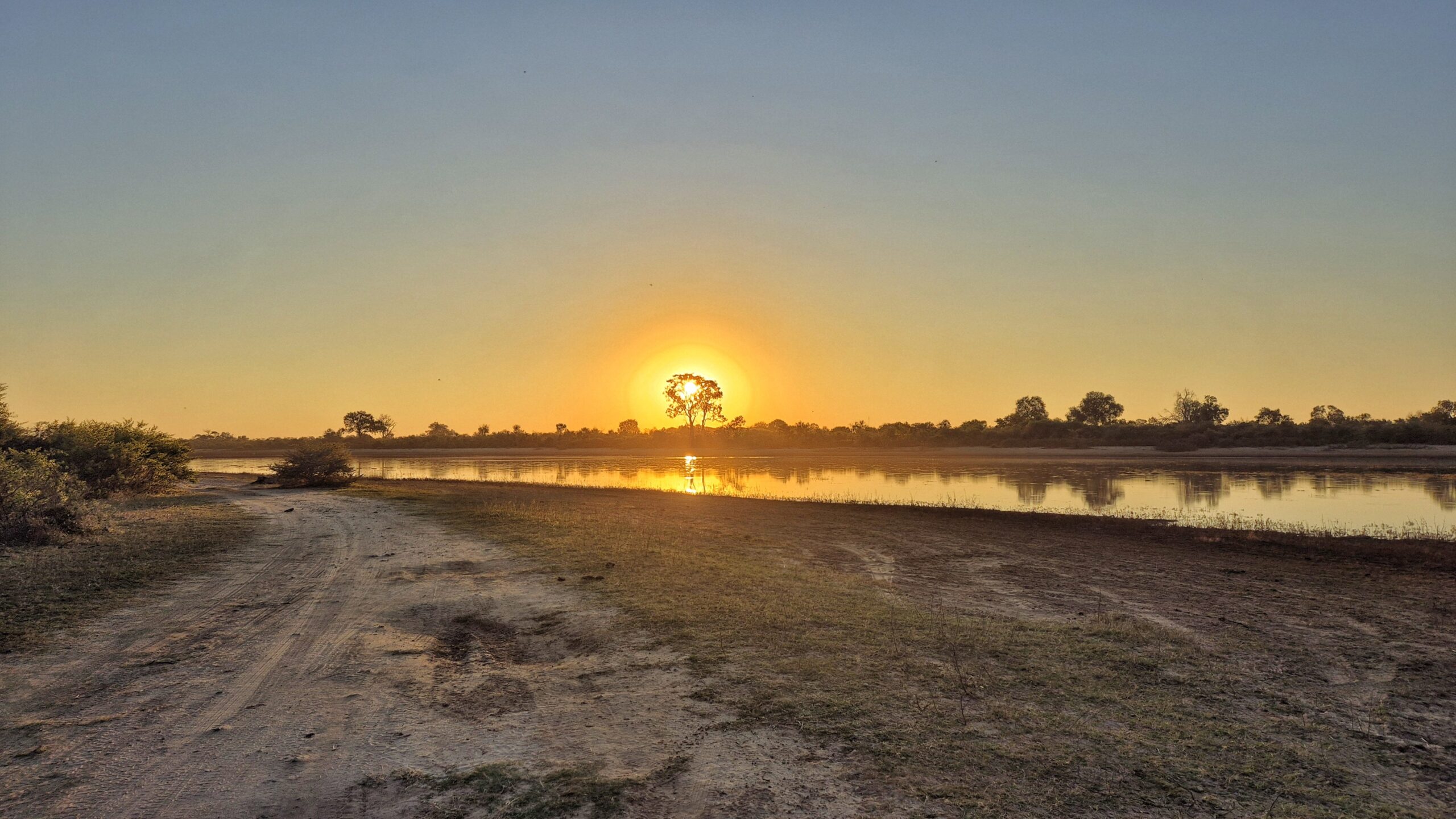
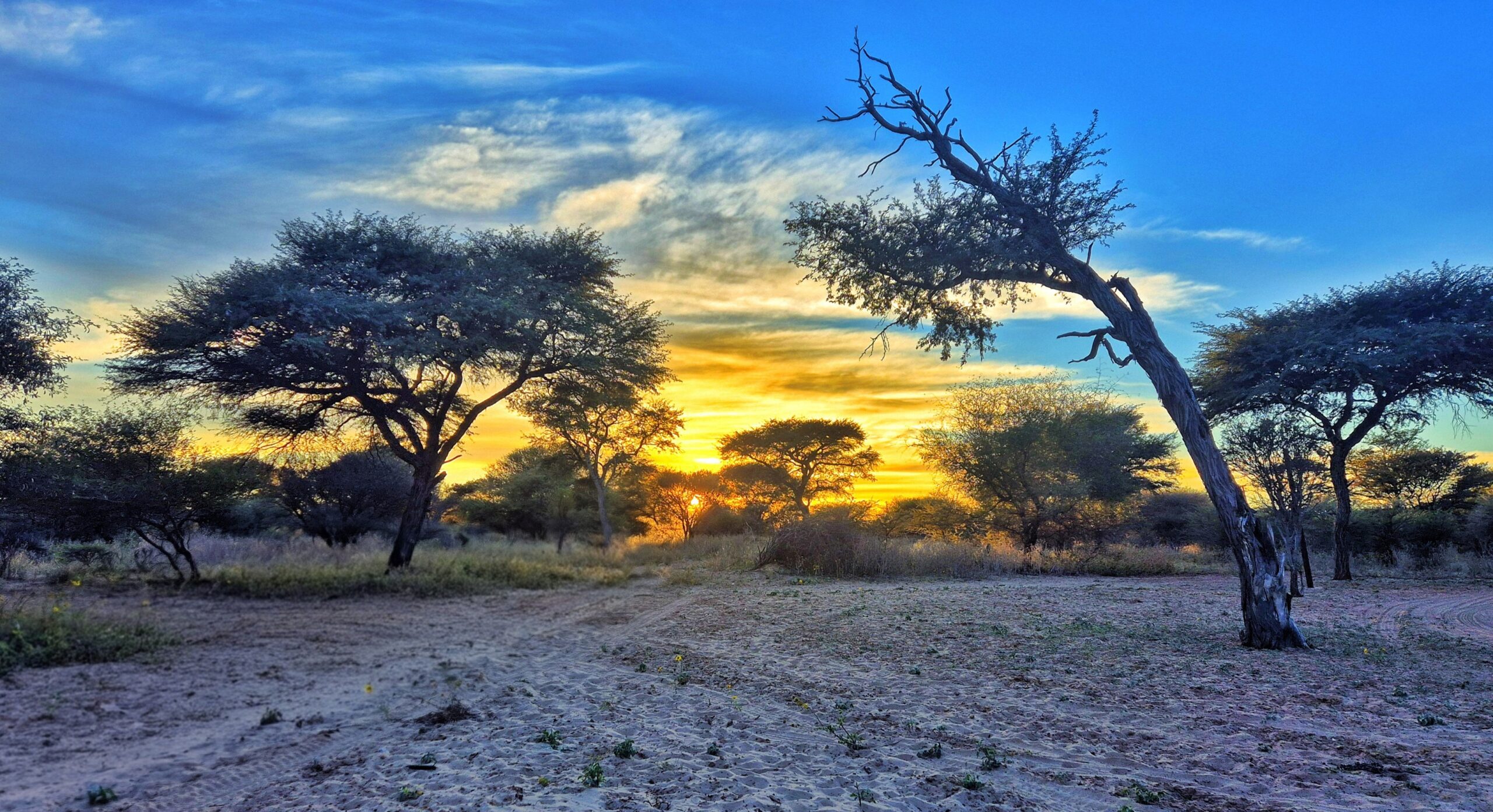
Waking up at our stopovers to an eastern horizon where the sun slowly found its way through the silhouettes of motionless camel thorn trees, while the Kalahari emerged from the cool shadows of dawn into warm shades of gold, invited us to linger before the day’s driving began. It made embracing a slower pace feel effortless.
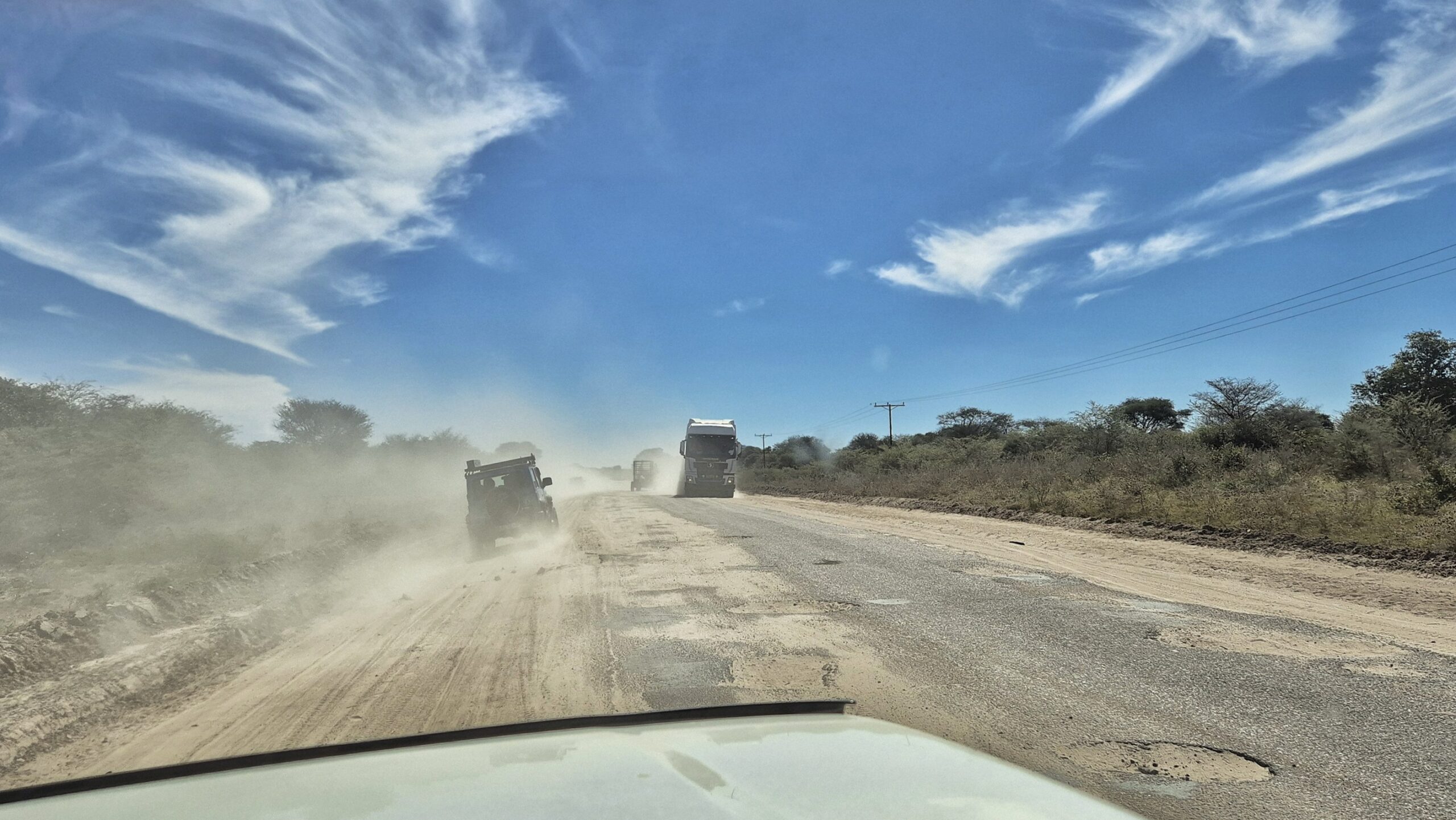
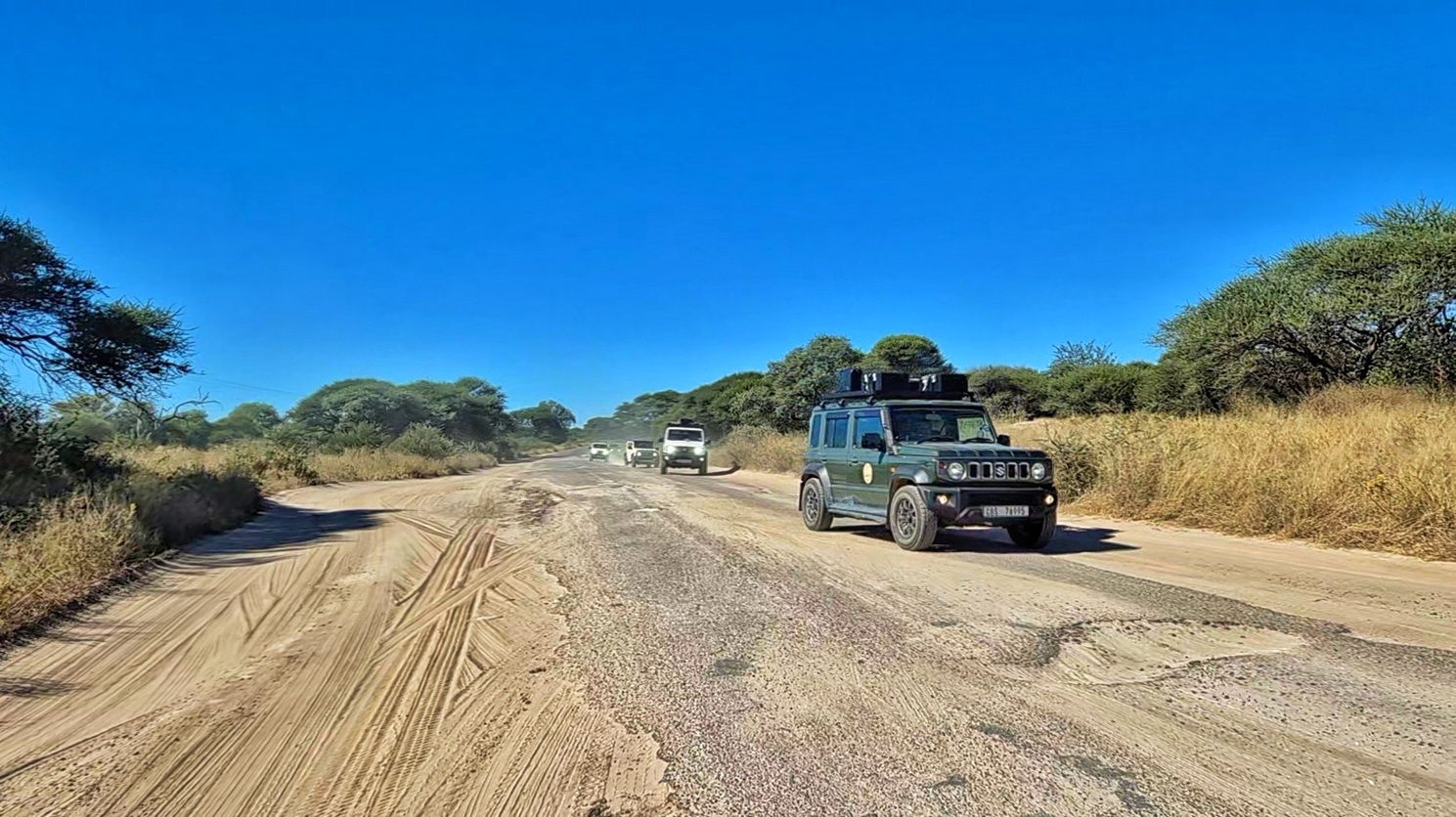
But then the A35 taught us that Africa’s rhythm is not always gentle. North of Nokaneng, on the final stretch to Swamp Stop, the road demanded our full attention. Massive potholes forced us to choose the least damaged line. Where the original road had disappeared altogether, we had to pick our way along rough bypass tracks. Heavy trucks emerged from walls of dust with almost no warning, their speed and size leaving little room for hesitation.
But even here, a rhythm emerged. We learned to read the road – where to trust the surface, where to avoid it, where it was safe to maintain momentum, and where slowing down was the wiser choice. As the convoy threaded its way through dust and broken tarmac, and with JJ’s calm voice guiding us over the two-way radios, we gradually settled into the road’s pace. Before long, slowing down no longer felt like a delay. It had simply become the way forward.
Looking back, I realise the journey had begun long before we reached Swamp Stop. Somewhere between the wide horizons of the Trans-Kalahari Highway and the broken tarmac of the A35, Botswana had quietly started to reveal itself – not as a destination, but as a place that asked us to slow down and surrender to Africa’s unhurried pace.
Following the water
Suddenly there was water.
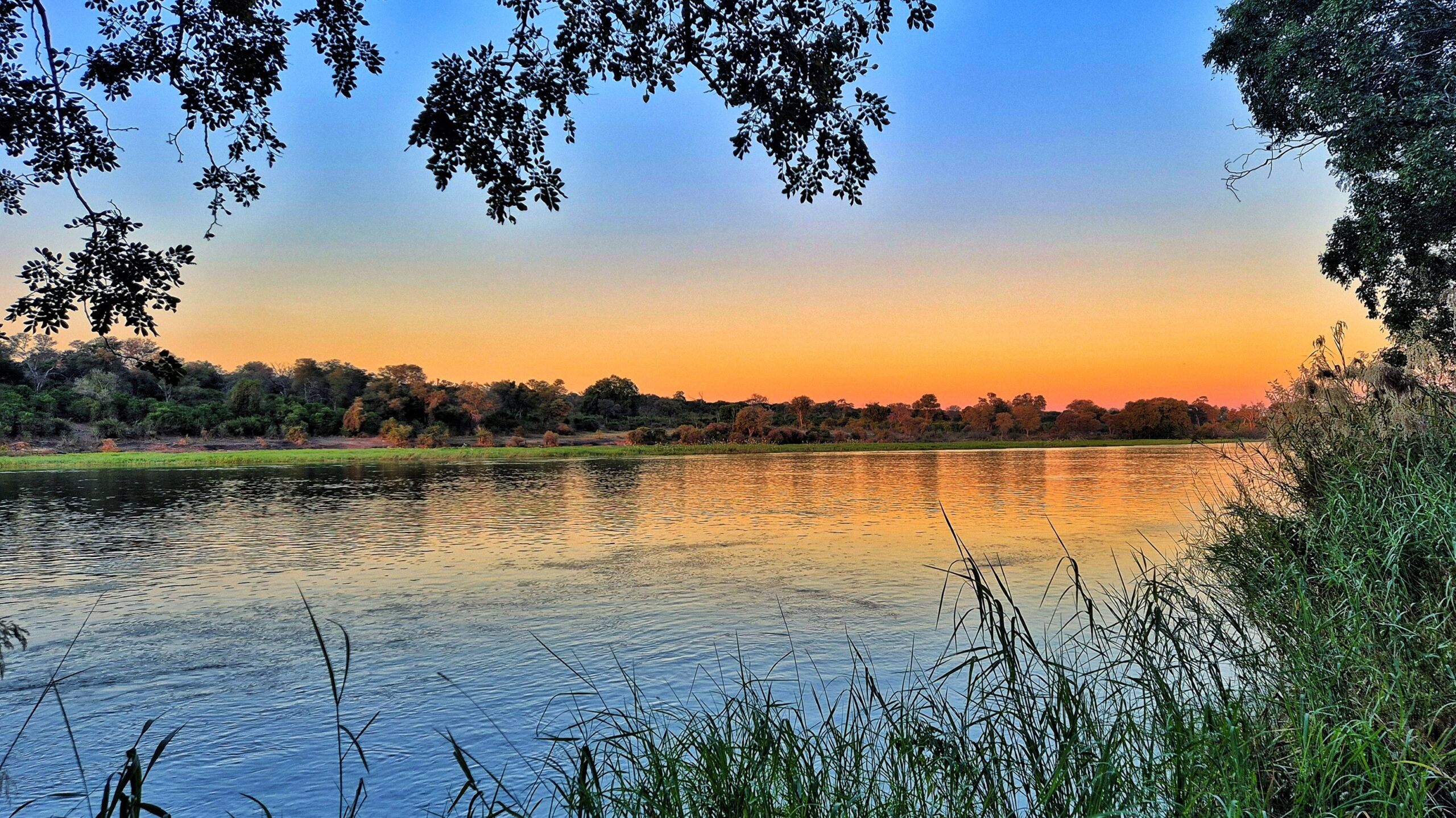
The arid Kalahari gave way to a landscape shaped by rivers. Vast floodplains stretched to the horizon. Water influenced everything – the character of the landscape, where people settled, the abundance of wildlife, and the timeless rhythm of life that unfolded along their banks.
It was not simply the presence of water that struck me, but its abundance.
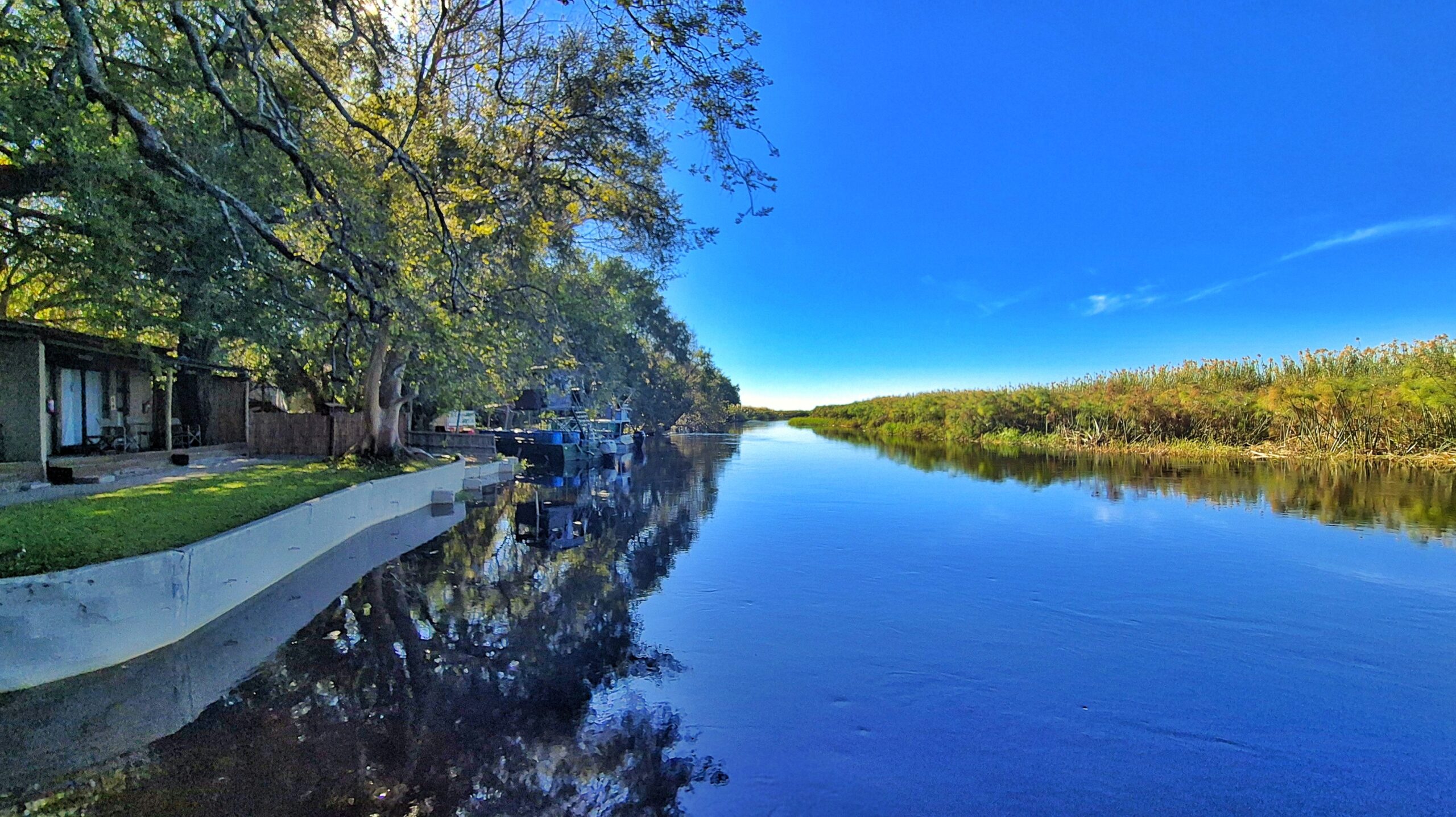
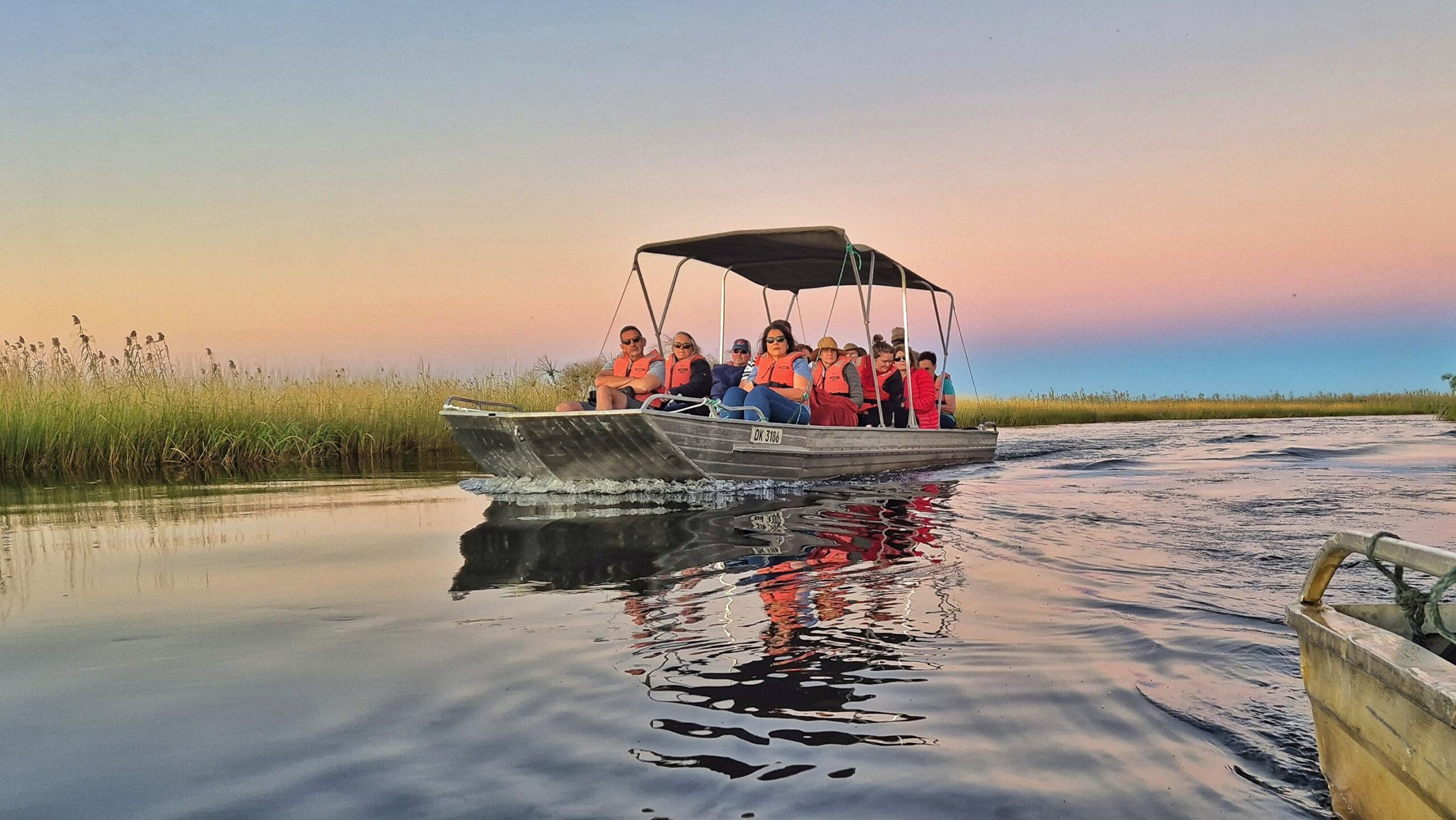
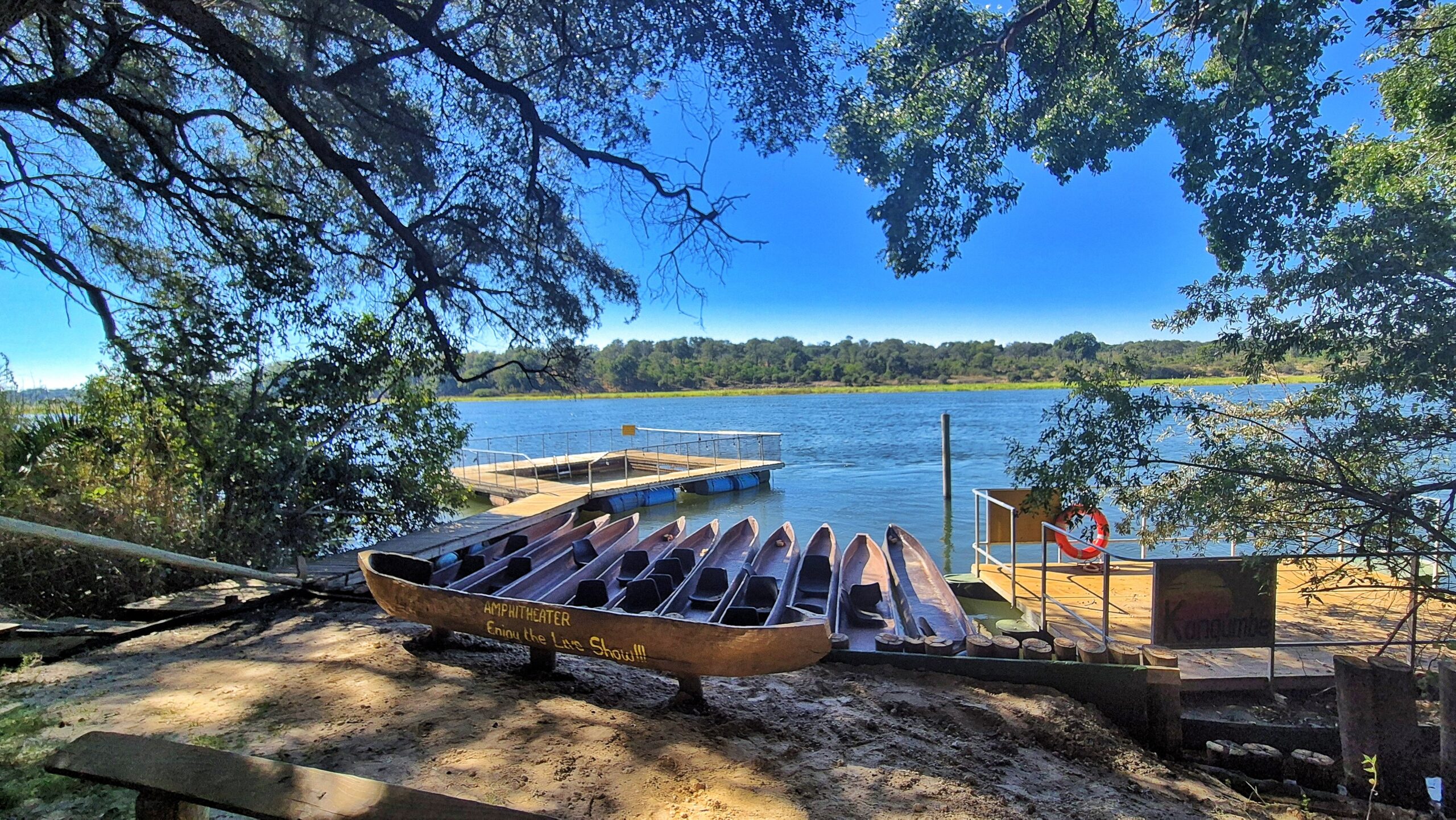
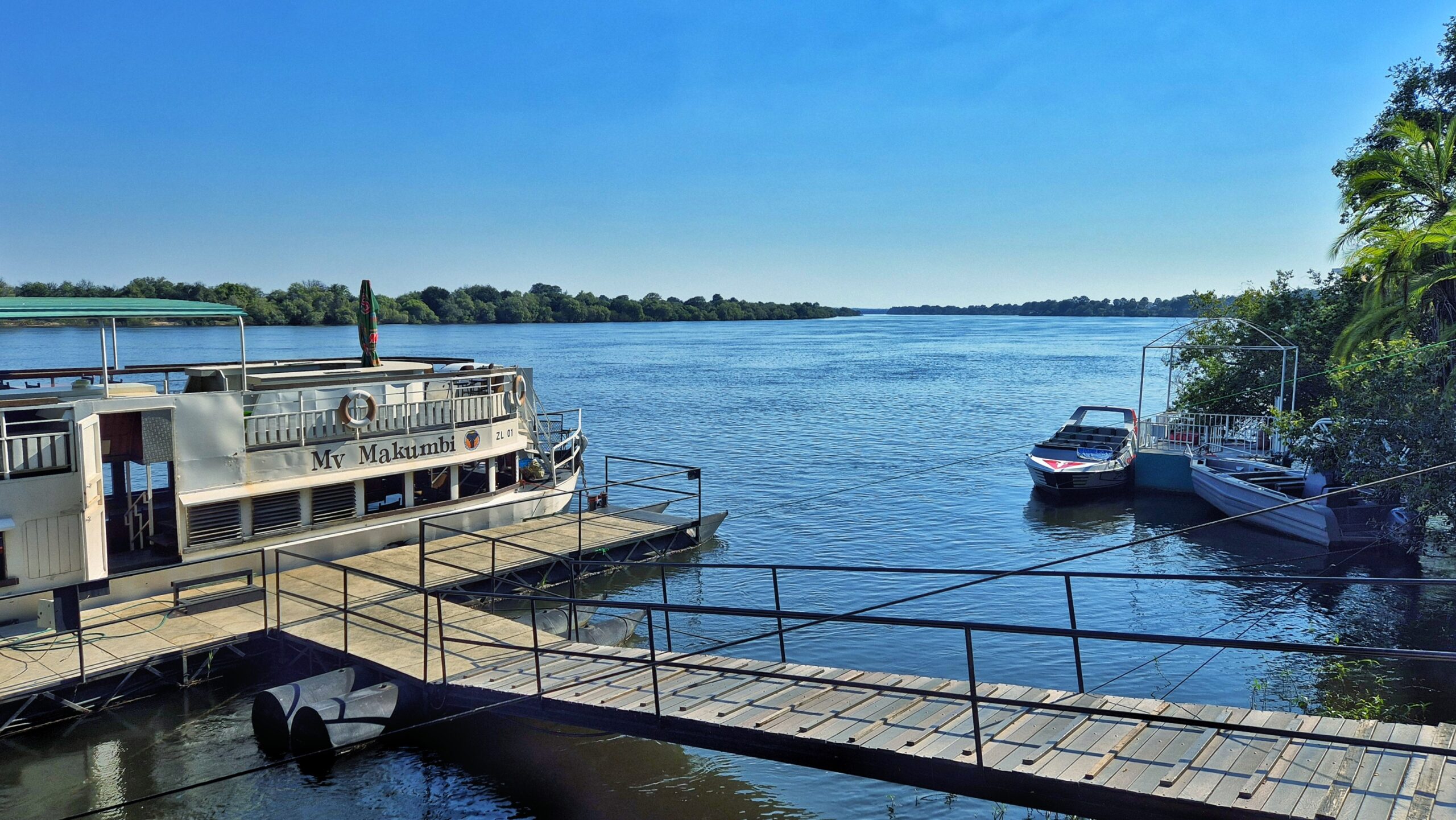
Earlier the year, exceptional rains had fallen hundreds of kilometres away in the highlands of Angola and Zambia. When we arrived, the water flowing beneath our boat at Swamp Stop had begun its journey a month earlier, carrying with it the memory of distant summer rains that Botswana itself had long since forgotten.
Having grown up in and still maintaining close ties with farming communities in arid South Africa, I understand the value of every drop of water. I have witnessed the uncertainty of drought, the anxiety of watching the skies, and the profound impact that water scarcity has on those whose livelihoods depend on it.
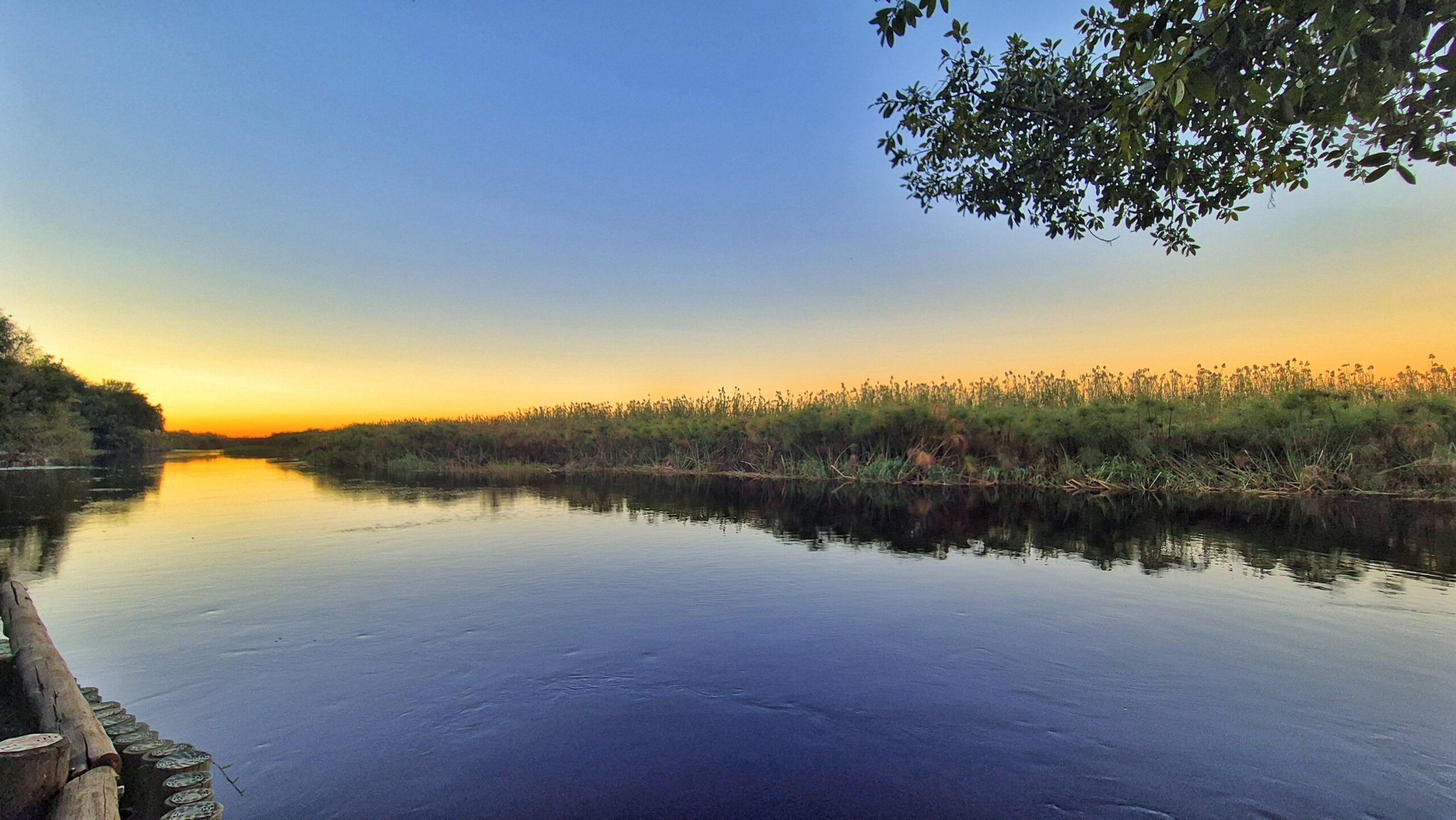
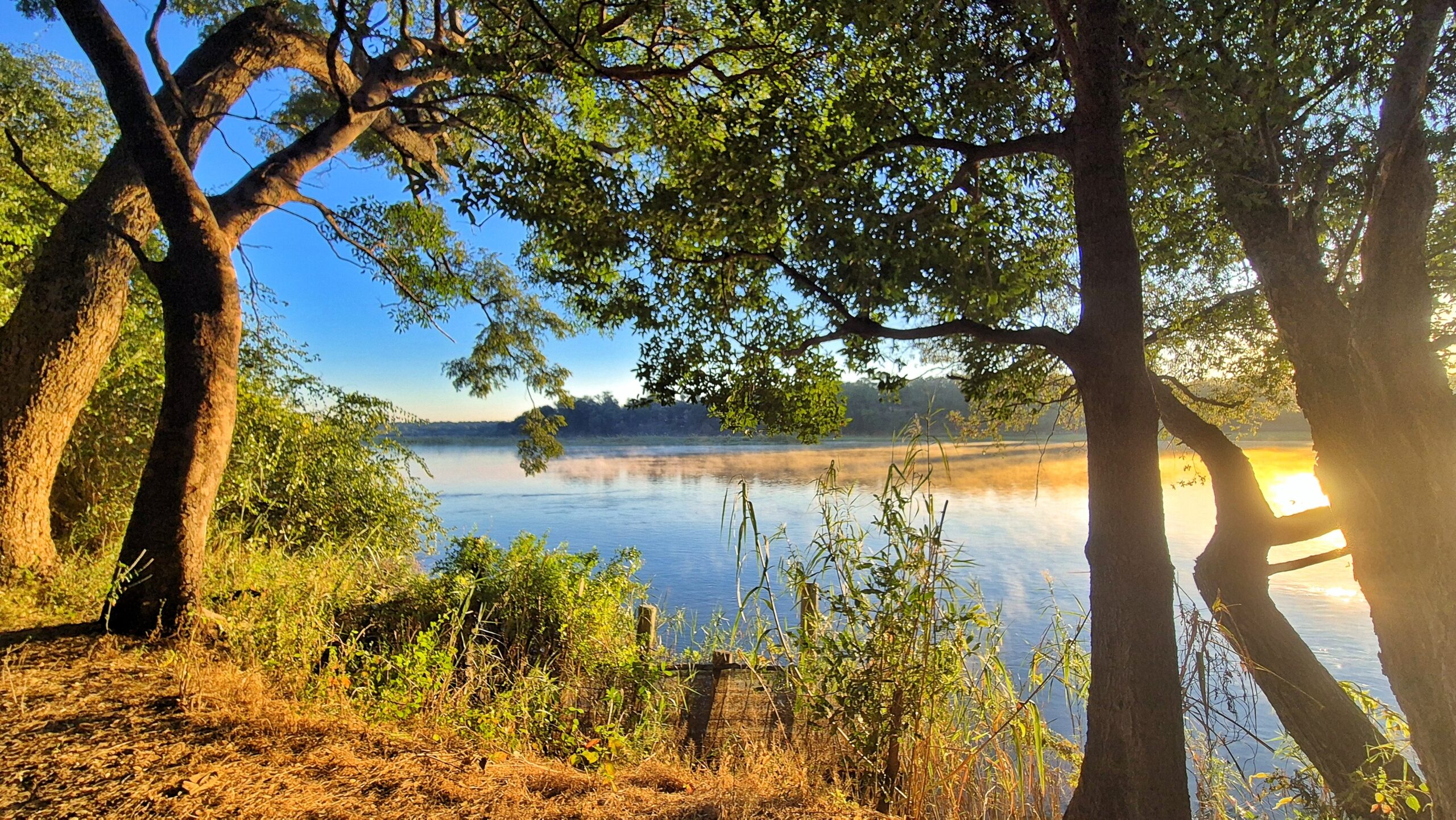
Against that background, nothing prepared me for the emotional impact of standing at Swamp Stop Okavango River Camp, watching the immense volume of the Okavango River quietly surrender itself to the Okavango Delta. It was not a dramatic spectacle. There was no roar or crashing torrent. Instead, the river seemed content simply to become part of something far greater than itself.
That quiet sense of wonder stayed with me. A few days later, from our tent overlooking the river at Ngepi Camp, some 100 kilometres upstream, I found myself watching the same water continue its timeless journey.
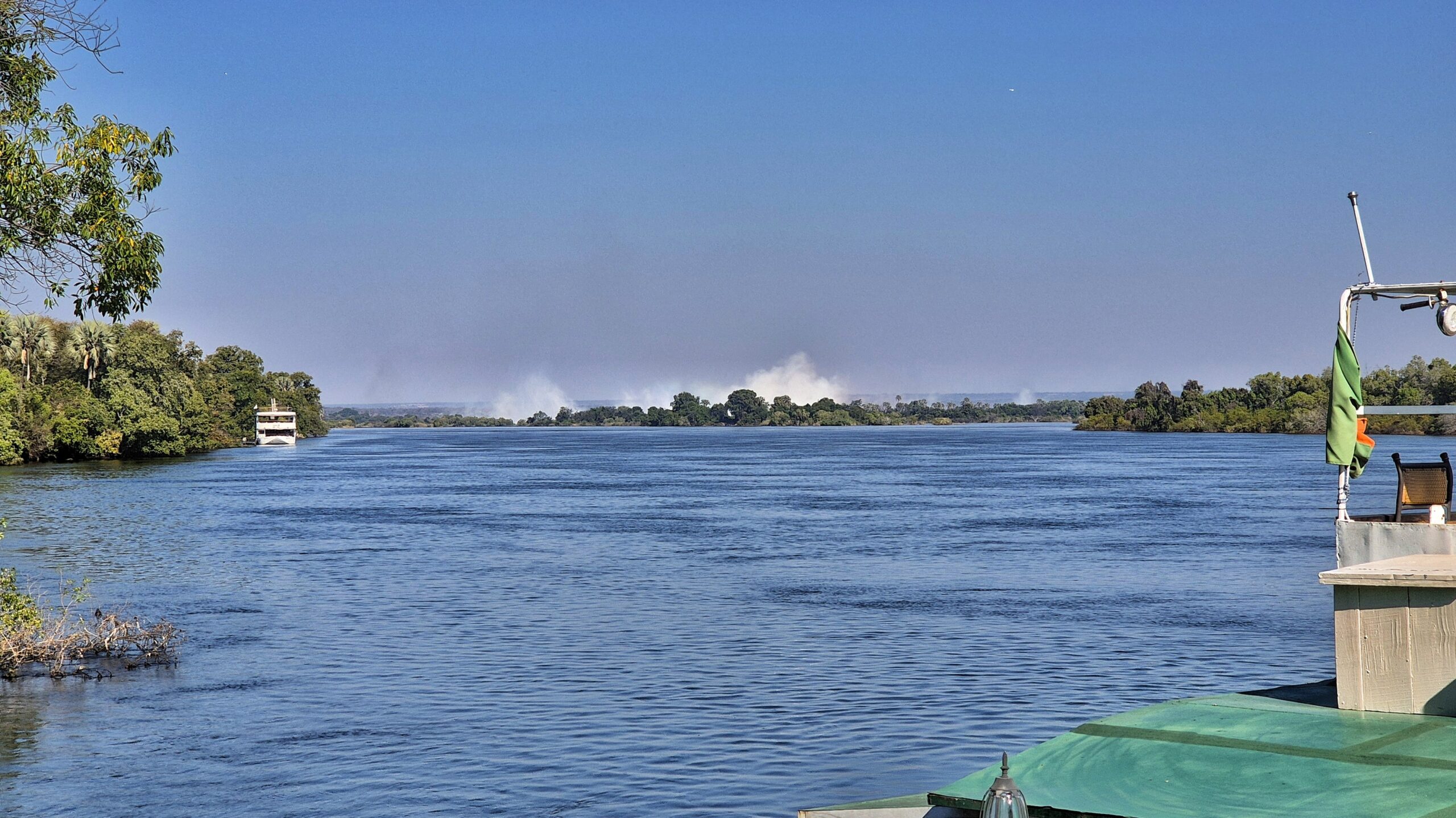
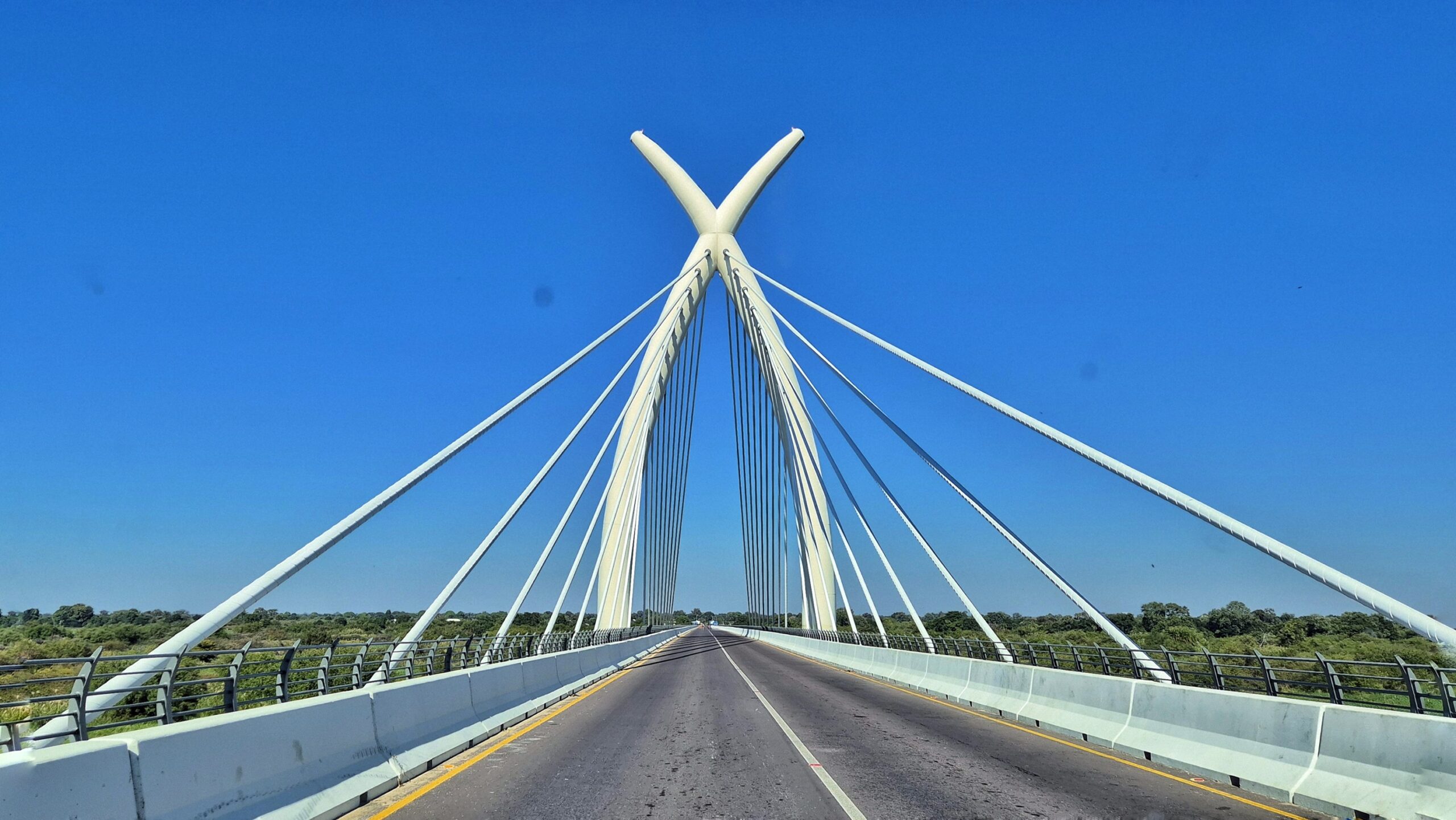
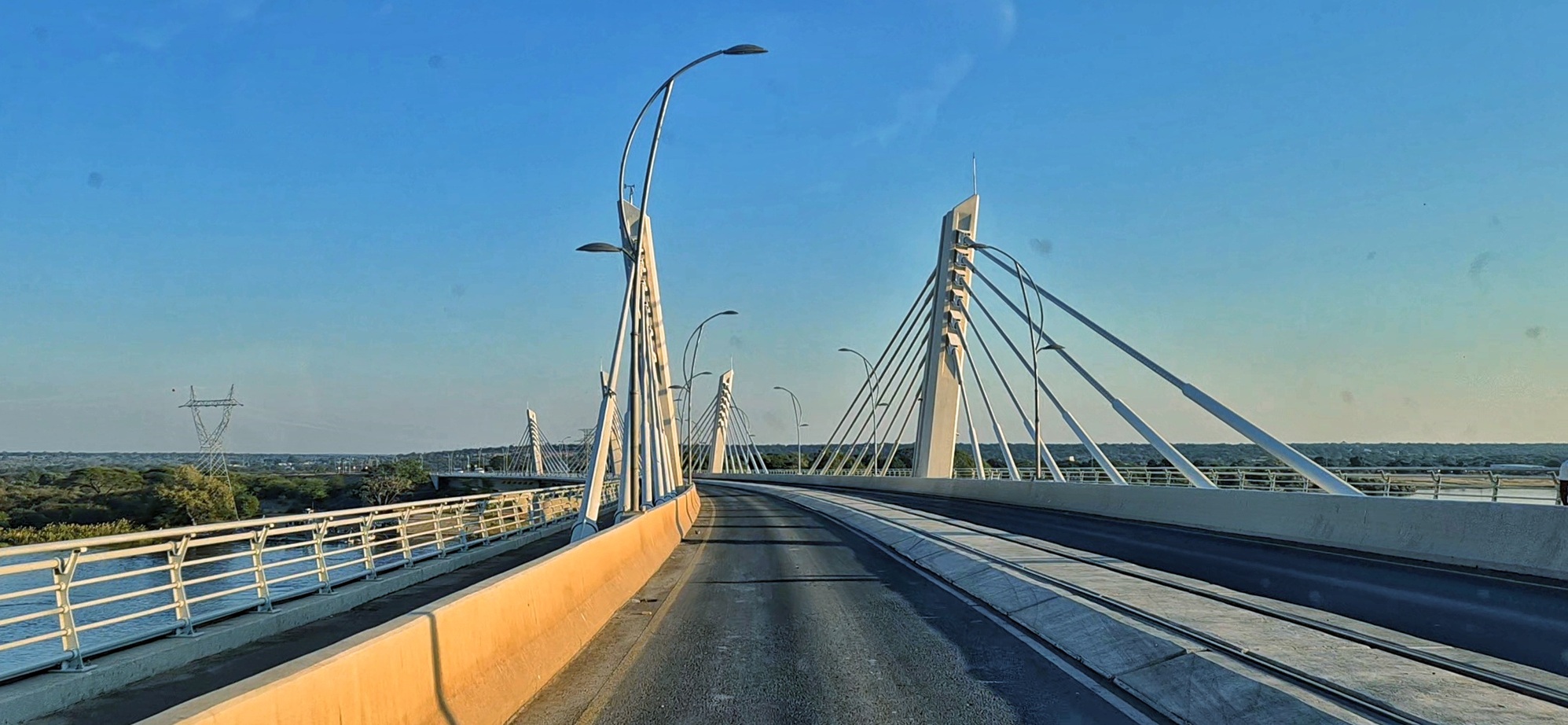
Crossing the Kwando River as we travelled east into Namibia’s Zambezi Region stirred the same emotions. So did crossing the Chobe and mighty Zambezi into Zambia. Within only a few days we had encountered more flowing water than I had imagined possible after leaving the dry landscapes of the Kalahari.
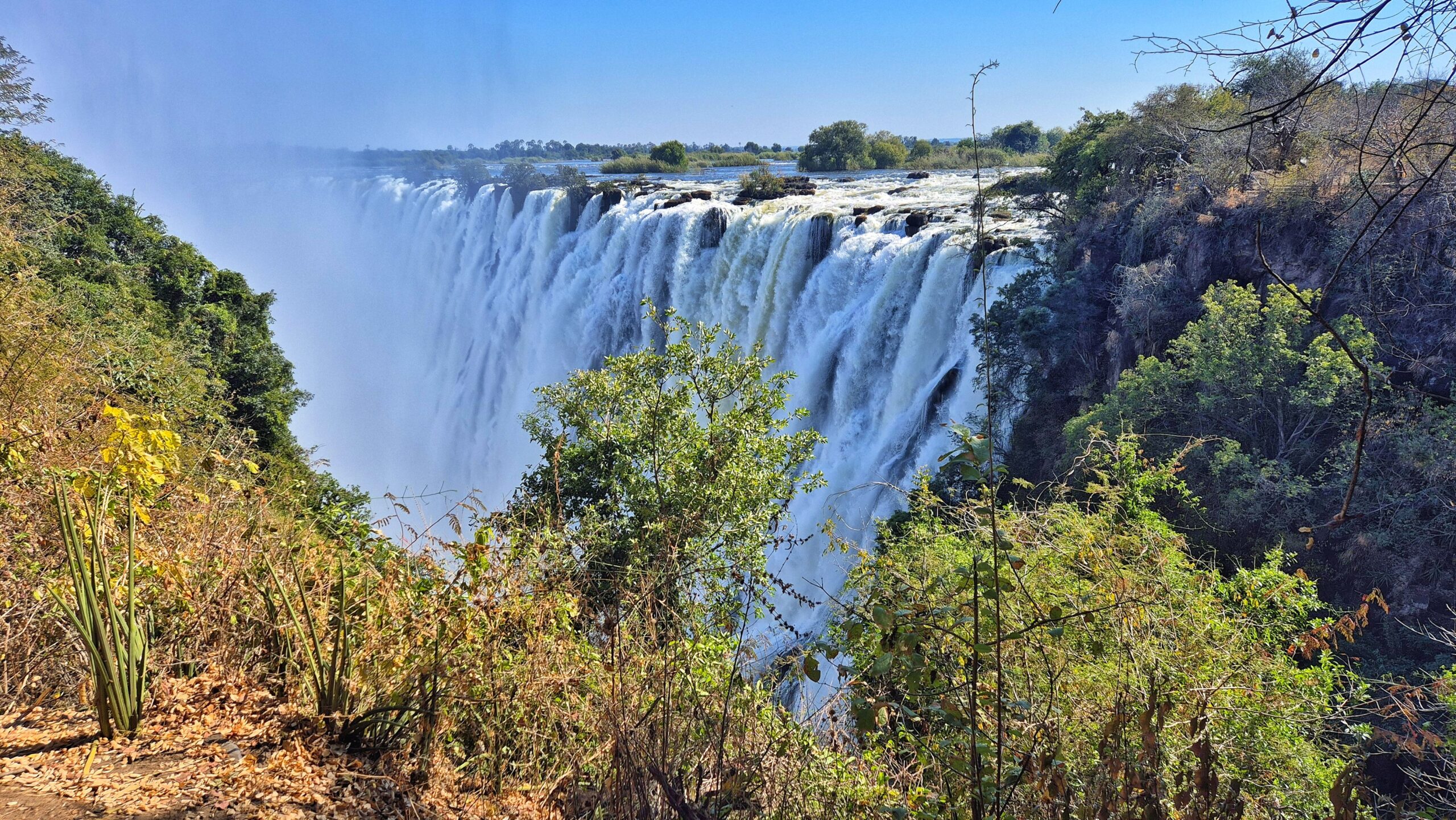
As the journey continued, I began to appreciate that each of southern Africa’s great rivers possesses its own distinct character. The Okavango wanders gently across the landscape, lingering over the Delta before quietly disappearing into the sands of the Kalahari. The Chobe nourishes one of Africa’s richest concentrations of wildlife before eventually joining the Zambezi. The Zambezi, by contrast, seems a river with purpose. Gathering strength from countless tributaries, it carries the waters of a vast catchment towards the Indian Ocean, unleashing its power in the thunderous spectacle of Victoria Falls. Though these rivers share distant origins, each follows its own rhythm and tells its own story.
We were no longer simply following roads into the heart of southern Africa; we were following water. Roads carried us from one destination to the next, while bridges lifted us briefly above the Okavango, the Kwando, the Chobe and the Zambezi. Yet it was the rivers below that truly guided our journey. They became the invisible thread connecting the places we visited and the experiences we gathered, shaping the landscape, sustaining wildlife, determining where people settled, and setting the rhythm of life itself.
More than anything, this part of Africa awakened within me a lasting appreciation for water – not merely as a resource or a commodity, but as the source of life itself. Having grown up where every drop mattered, I found myself seeing these rivers differently. Standing beside them, I came to understand how water shapes landscapes, how it determines where life flourishes, and how it sustains everything that depends on it. Water is not simply something that gives life. In many ways, water is life itself.
Sharing Africa
Journeys such as these seldom change you all at once. They unfold in layers. First comes the anticipation, then the excitement of leaving the familiar behind. Uncertainty gradually gives way to acceptance, acceptance to understanding, and understanding, almost without noticing, to belonging.
For us, by now, many of those layers had quietly fallen away. Since crossing the Ramathlabama border a few days earlier, our small group had become more than fellow travellers – we had begun to move to Africa’s rhythm. We were no longer simply looking at Africa through the windscreens of our vehicles. We had become part of it, learning to share its roads, its rivers and its open spaces with the people, wildlife and landscapes that had always belonged there.
Somewhere along the way, Africa seemed to say: “You may be here.” Not as an owner. Not as a tourist. Simply as another living being sharing the same space.
Nowhere was this quiet coexistence more evident than in the relationship between people and wildlife.
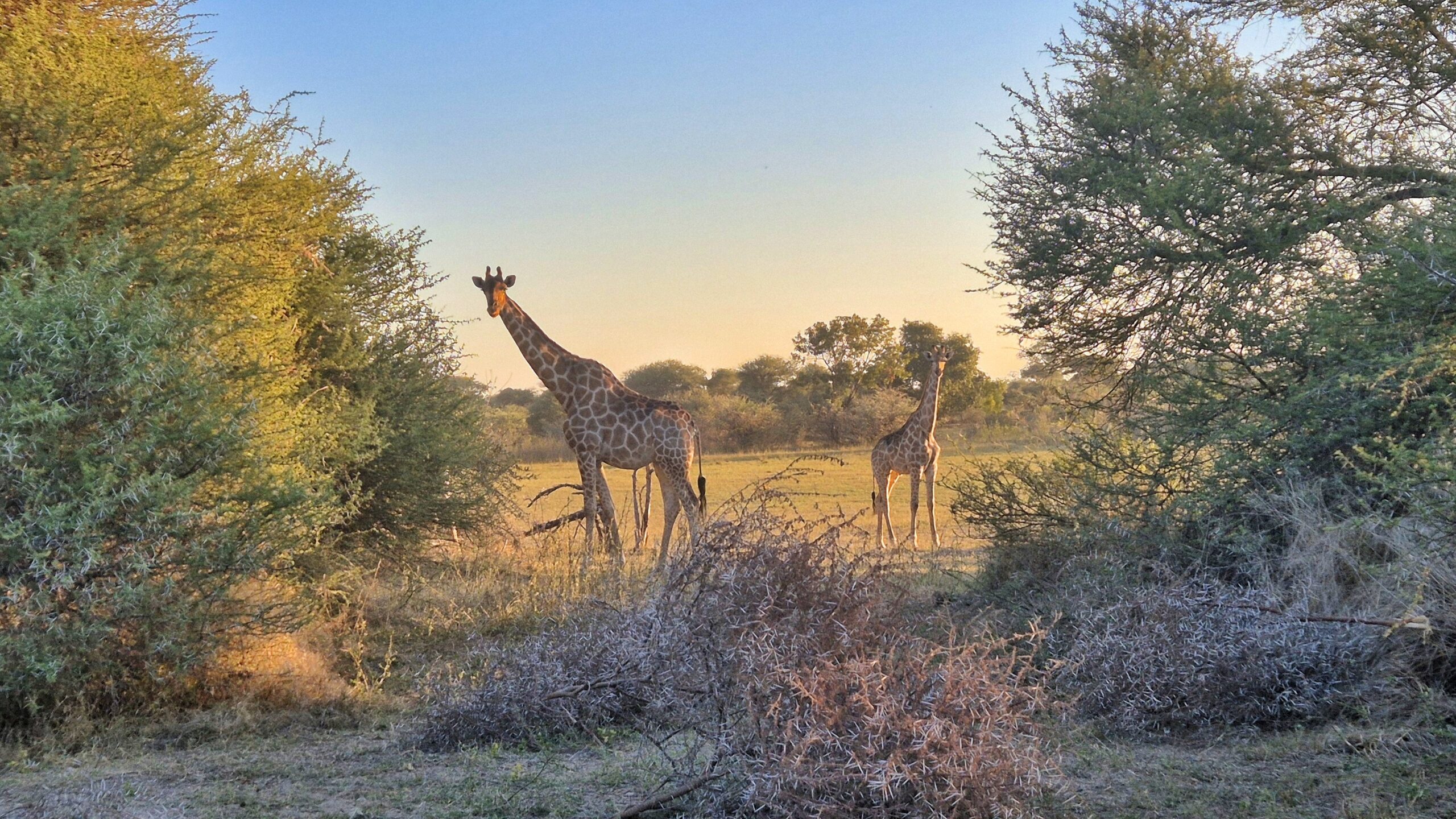
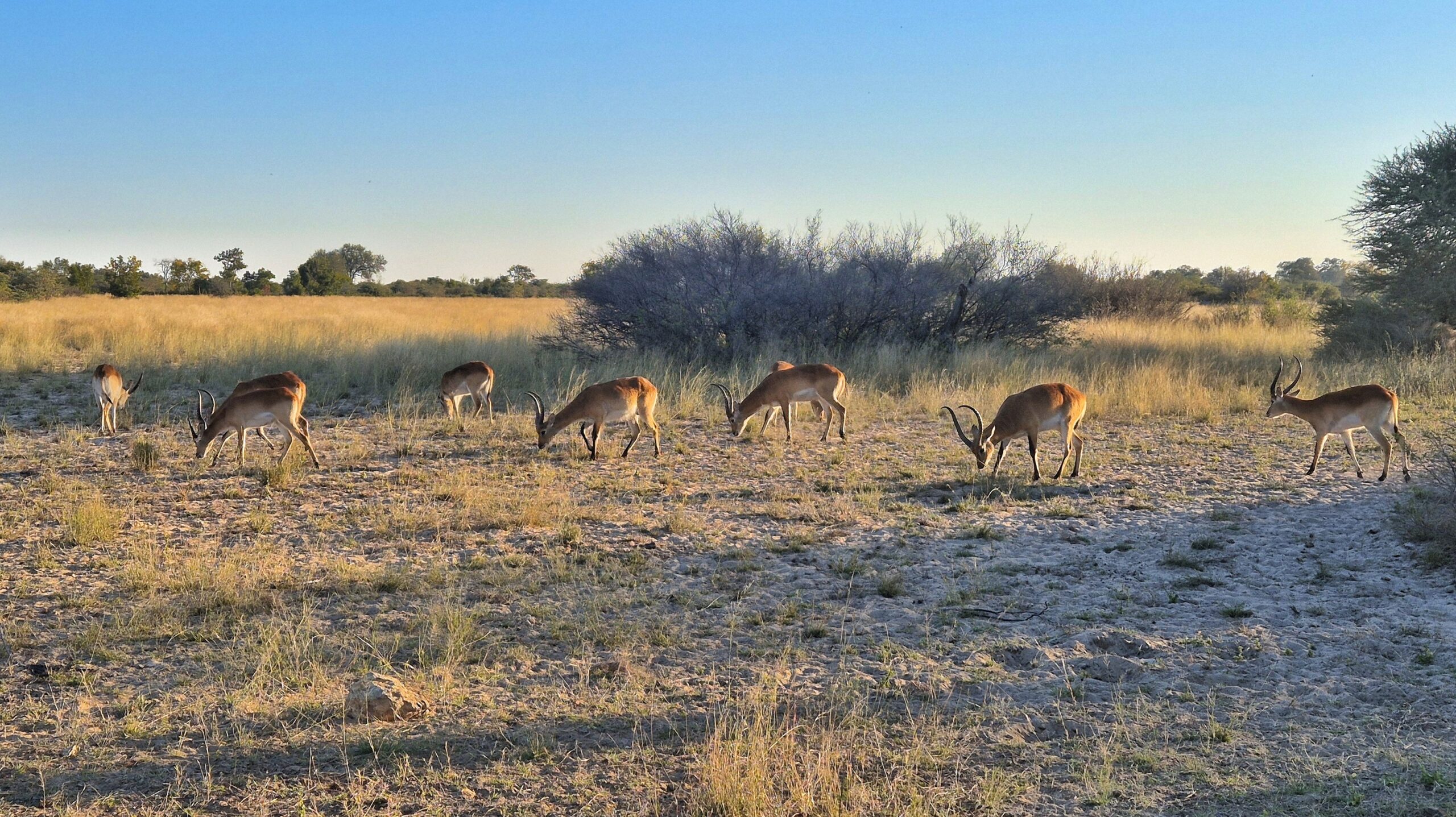
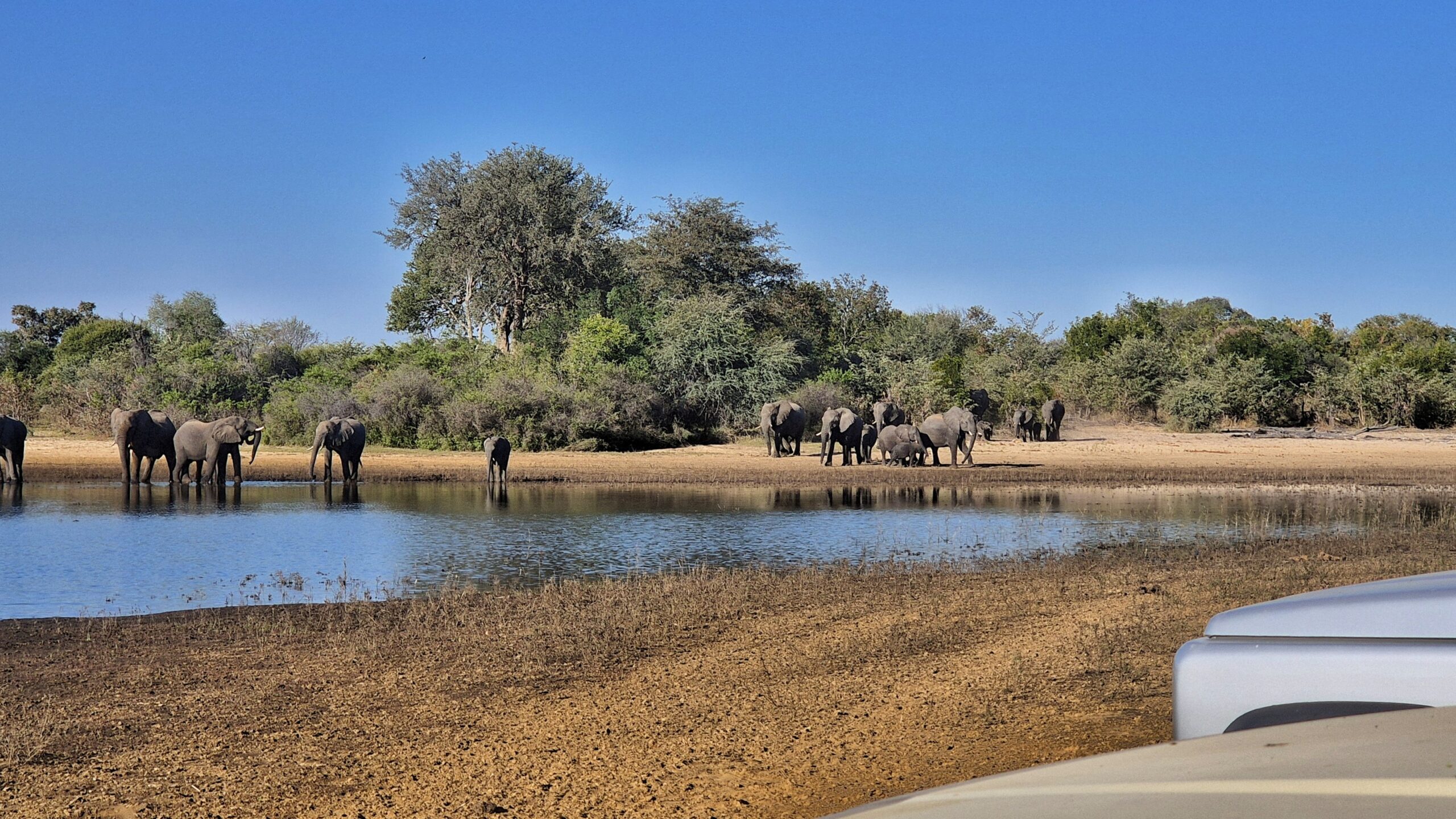
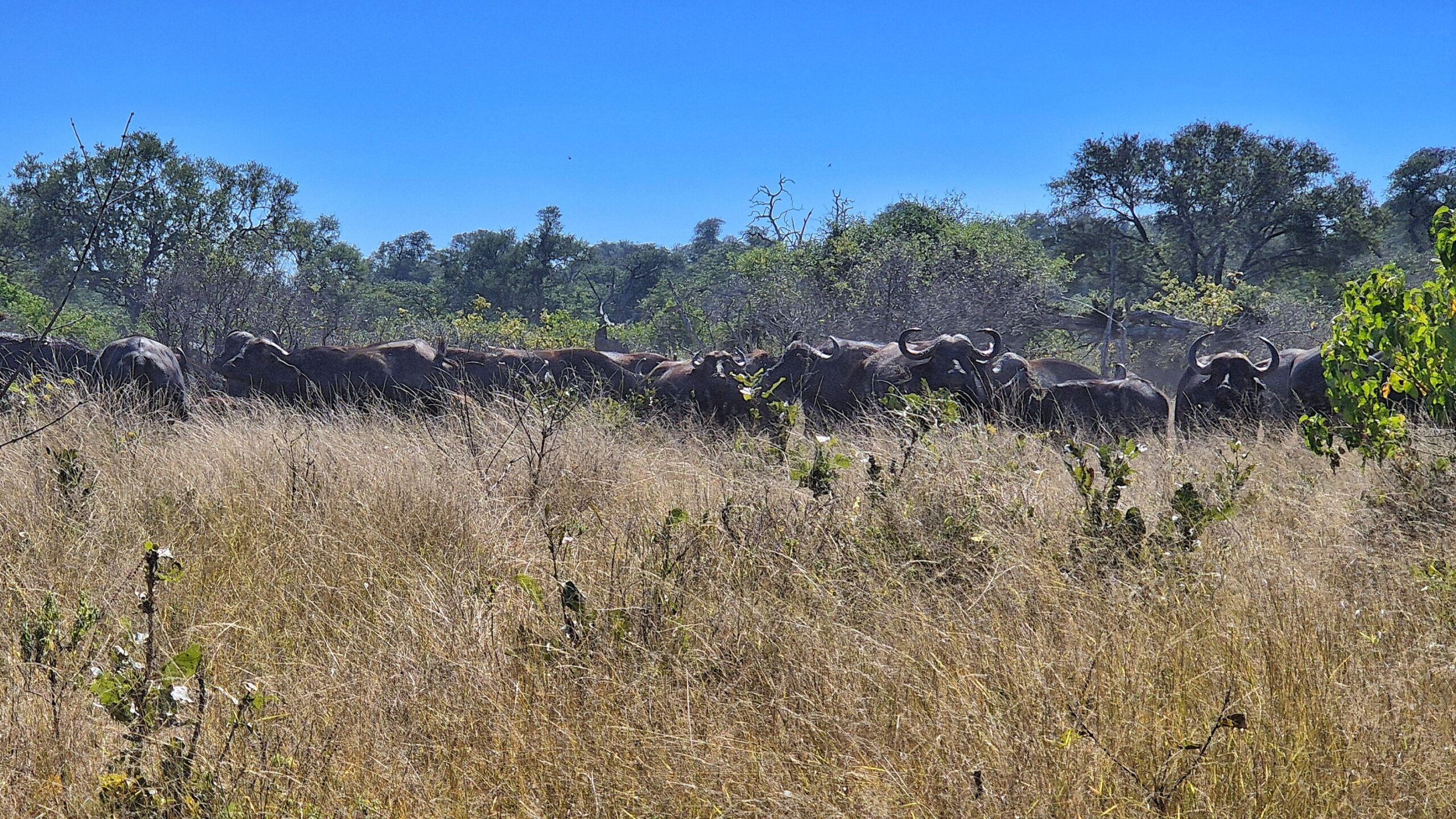
Unlike many game reserves in South Africa where fences define the boundaries between humans and the natural world, much of northern Botswana and Namibia’s Zambezi Region remains open. Here, elephants, buffalo, antelope, predators and people move through the same landscapes much as they have for centuries. Rivers, floodplains and ancient migration routes – not fences – determine where animals go.
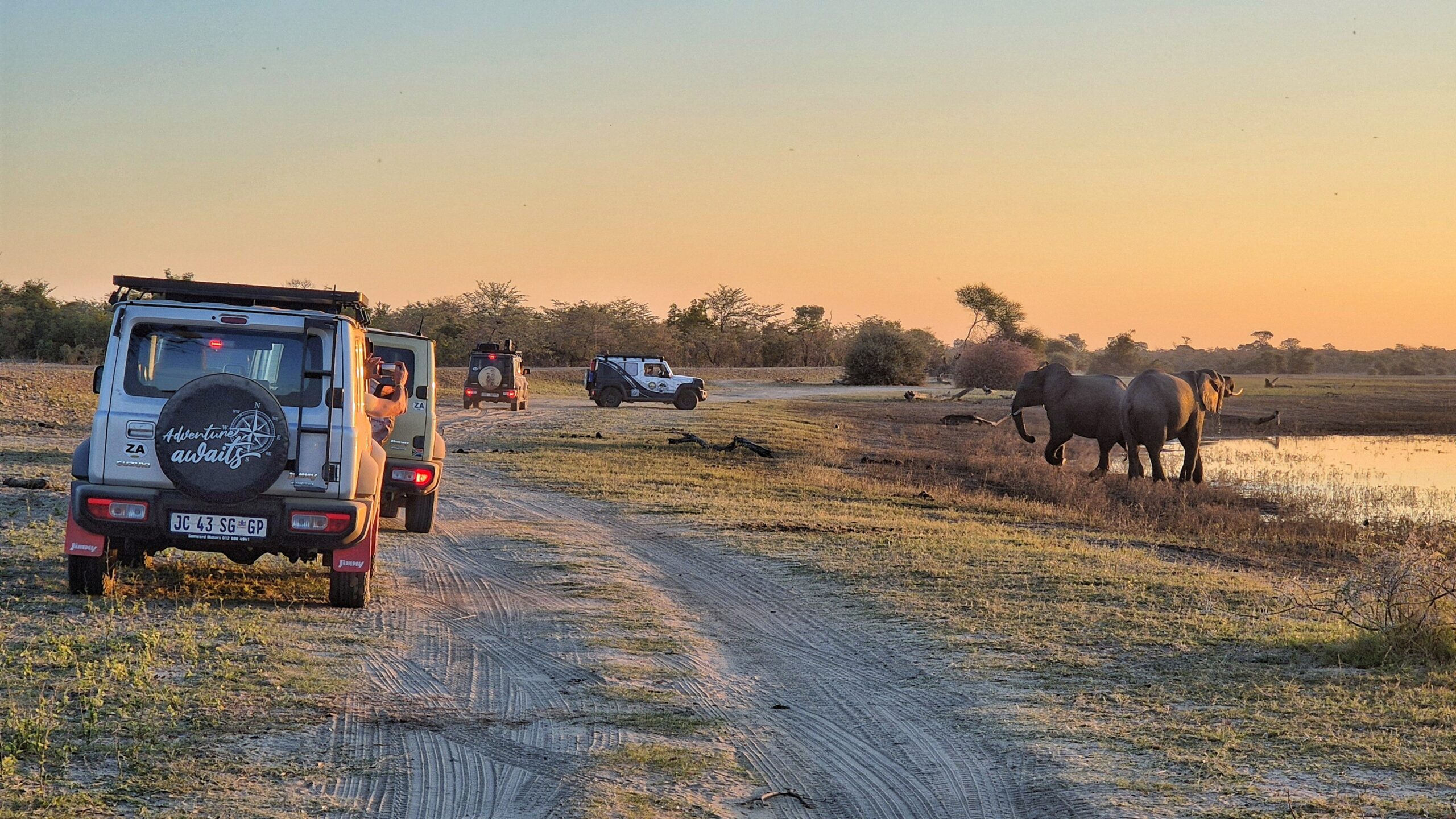
The effect is difficult to describe until you experience it for yourself. Wildlife is no longer something you drive out to find behind a gate. It becomes part of everyday life. An elephant feeding beside the road, a herd of buffalo crossing your path, hippos calling from the river after dark, or lions roaring in the distance all become ordinary parts of the day. The boundaries between where people live and where wildlife belongs seem to dissolve, replaced by an unspoken understanding that the landscape is shared rather than owned.
Living without fences demands something from both people and wildlife. It requires patience, awareness and mutual respect. Animals continue to follow ancient routes; people simply learn to live alongside them. It is a way of life that reminds you that coexistence is not about control, but about understanding your place within something far larger than yourself.
We experienced this most vividly in Bwabwata National Park and the Mahango Core Area, where wildlife moved through the landscape with a freedom that was both humbling and strangely reassuring.
The same feeling accompanied us along Hunters Road, a historic, unpaved route between Pandamatenga and the Kazungula area in north-eastern Botswana. Once used by hunters and traders, it now offers one of the country’s most rewarding wilderness drives, passing through unfenced landscapes where wildlife moves freely between Botswana and Zimbabwe.
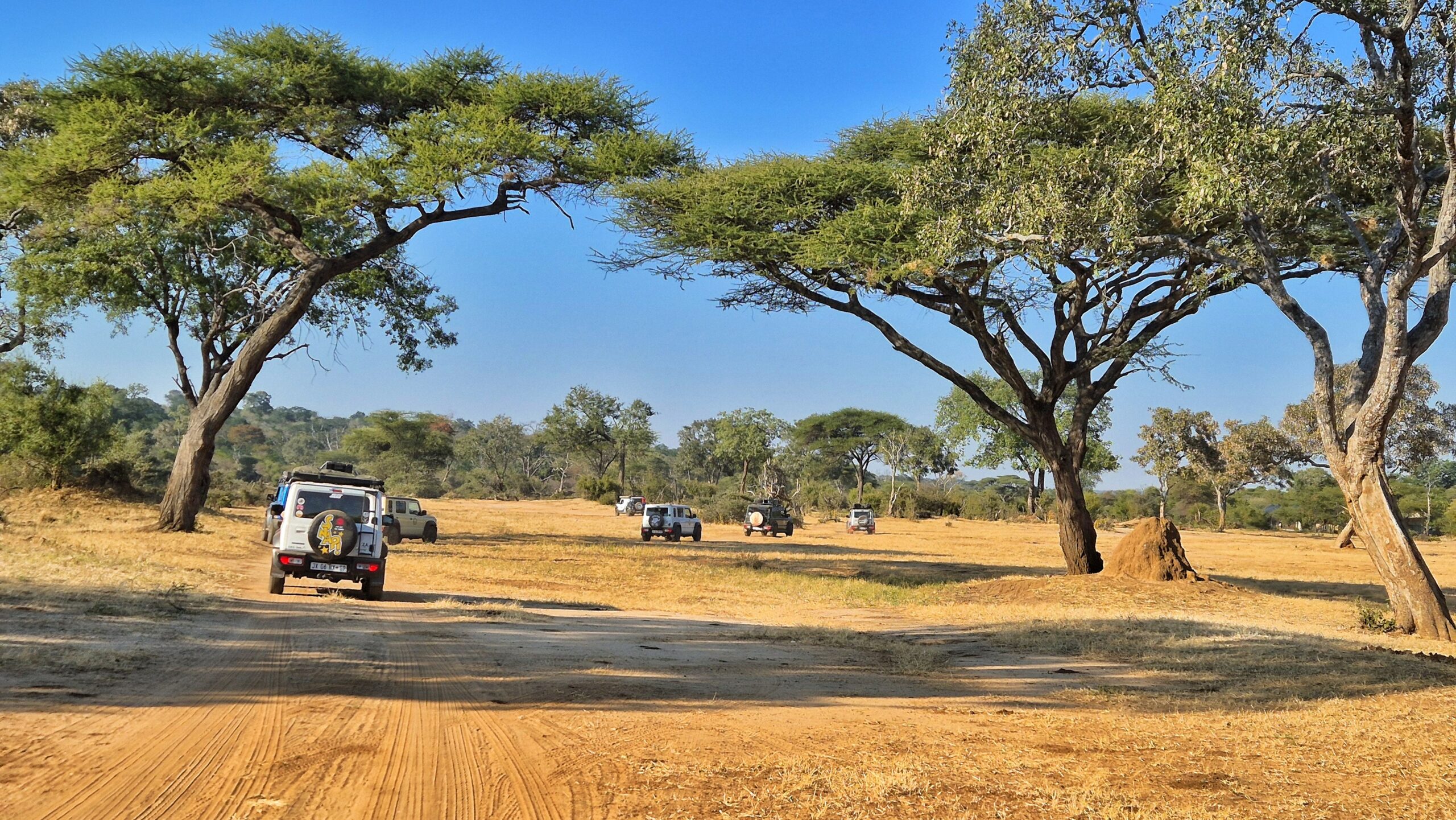
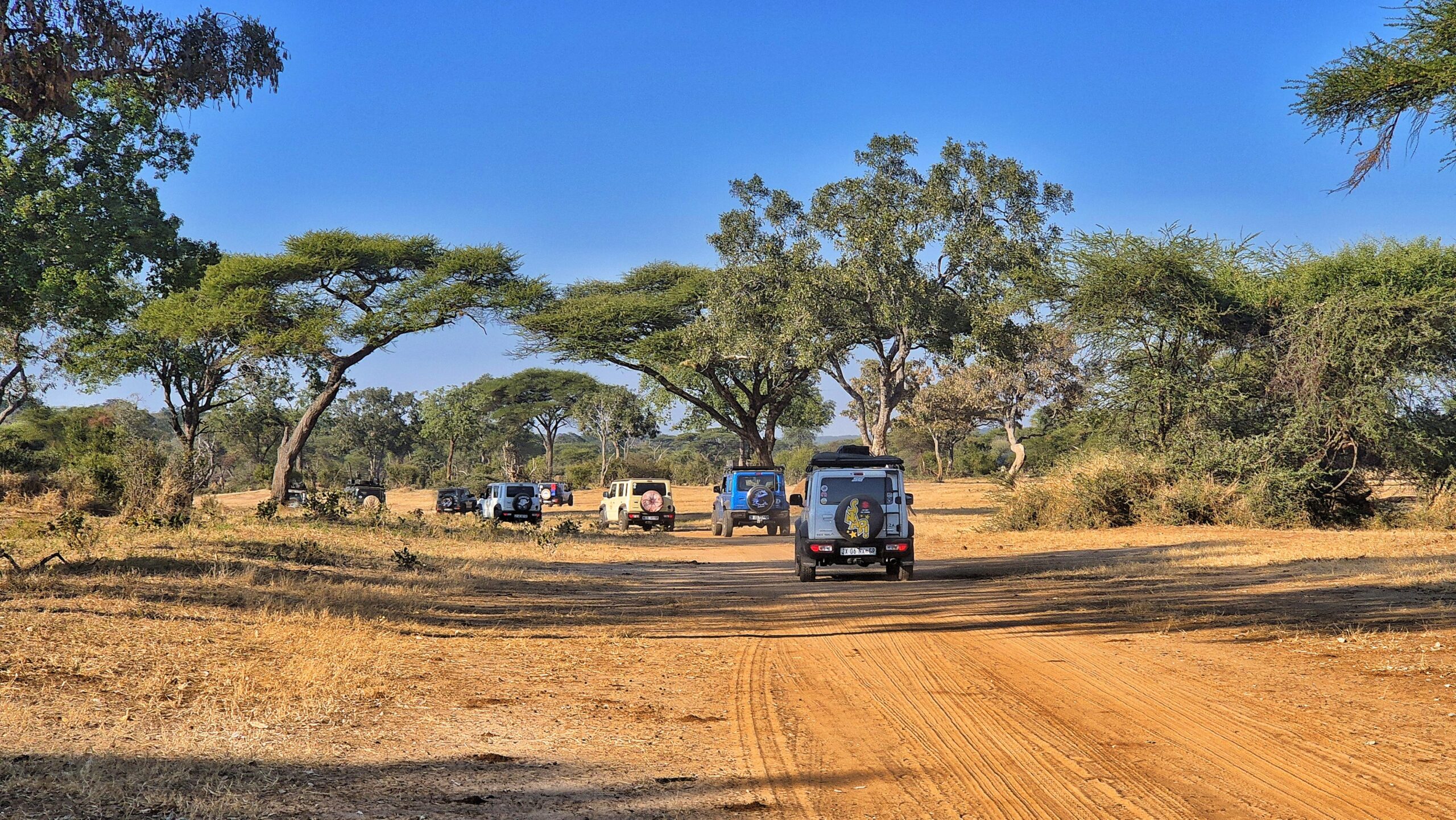
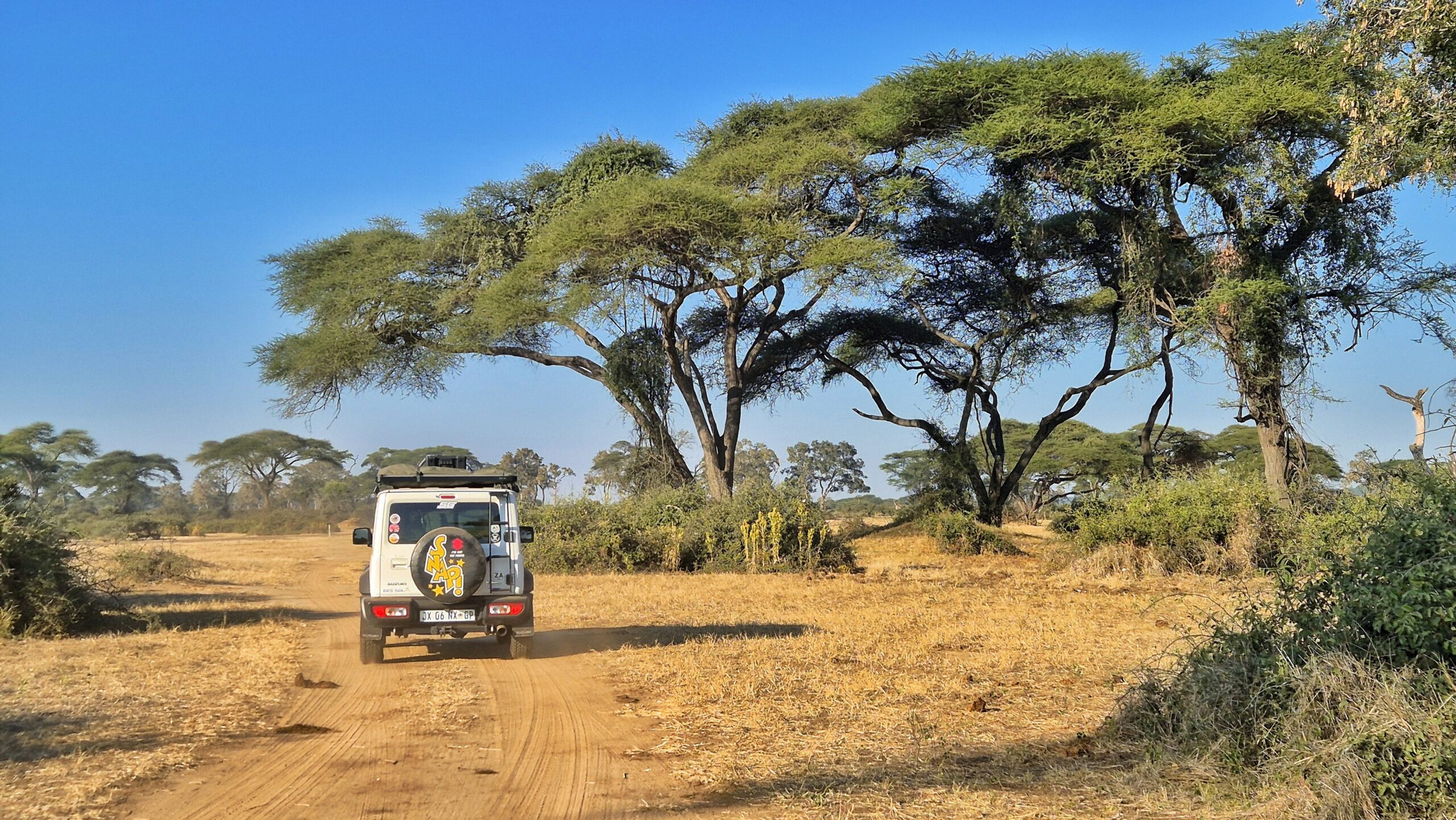
Driving Hunters Road towards the end of our tour felt different from every other road we travelled. The bush opened into broad, sunlit plains scattered with camel thorn and umbrella thorn trees, their wide canopies standing like natural landmarks across the landscape. The openness allowed us to see far into the distance, transforming every bend in the road into a panoramic scene rather than a fleeting glimpse through dense vegetation. It felt as though the landscape had deliberately pulled back the curtain.
Perhaps the greatest gift of Hunters Road was that wildlife rarely appeared in isolation. Elephants, giraffes, zebra, impala, kudu, wild dogs, warthogs and countless birds often shared the same landscape, each species going about its daily routine, seemingly indifferent to the others. Instead of isolated sightings, we witnessed living tableaux where grazers and browsers, birds and mammals all formed part of one vivid, harmonious scene. It was less like ticking animals off a list and more like being invited to watch Africa simply being itself.
Nobody owns Africa. Everyone shares it.
And sharing Africa with wildlife teaches humility. Not because the animals are dangerous – although they can be – but because they never acknowledge human priorities. They cross roads when they choose. They drink where they always have. They rest beneath the same trees that have sheltered generations before them. You don’t adapt them to your world. You adapt yourself to theirs.
By now, Botswana and Namibia’s Zambezi Region had ceased to be destinations. They had quietly become home to us.
The people along the way
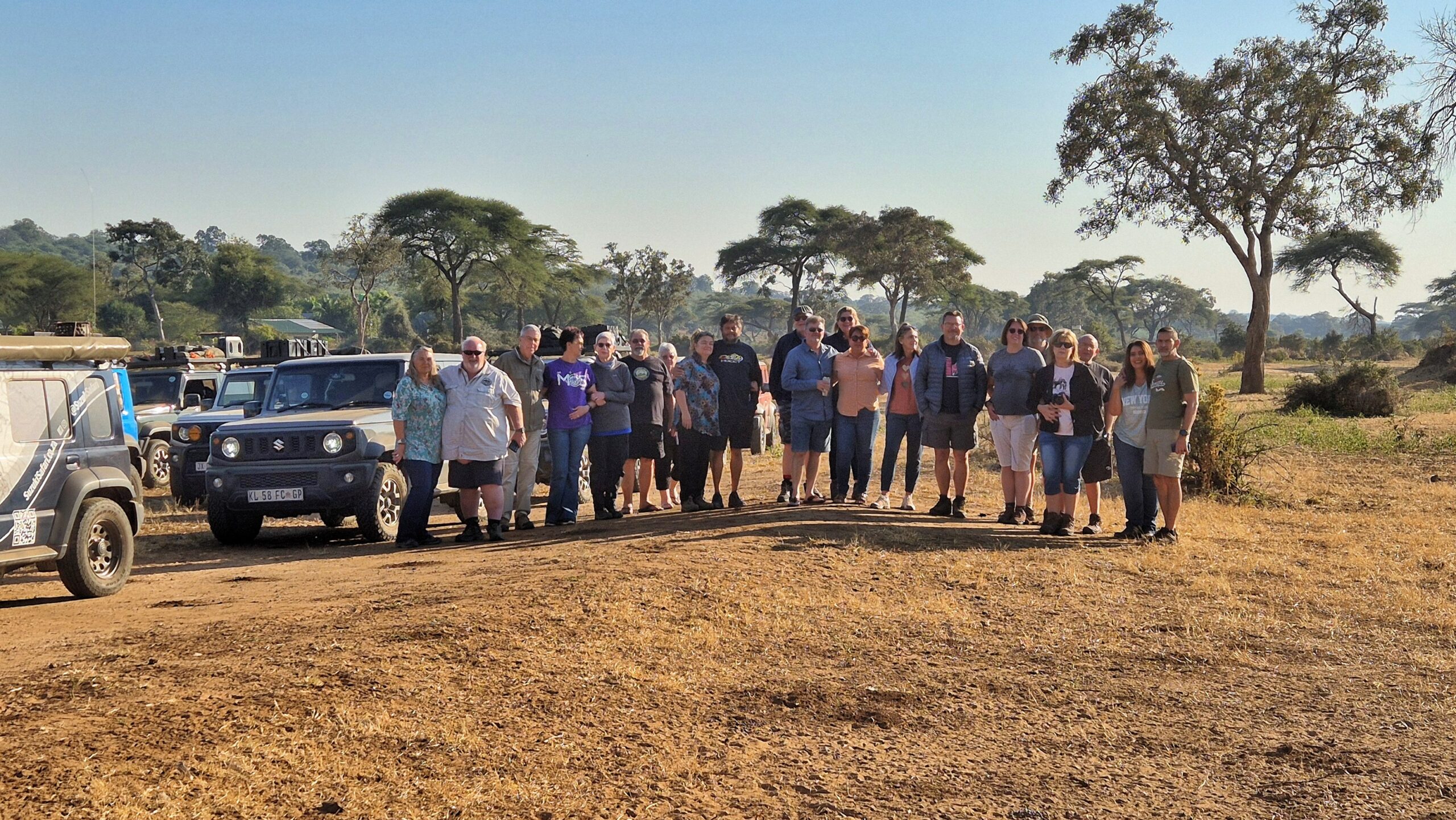
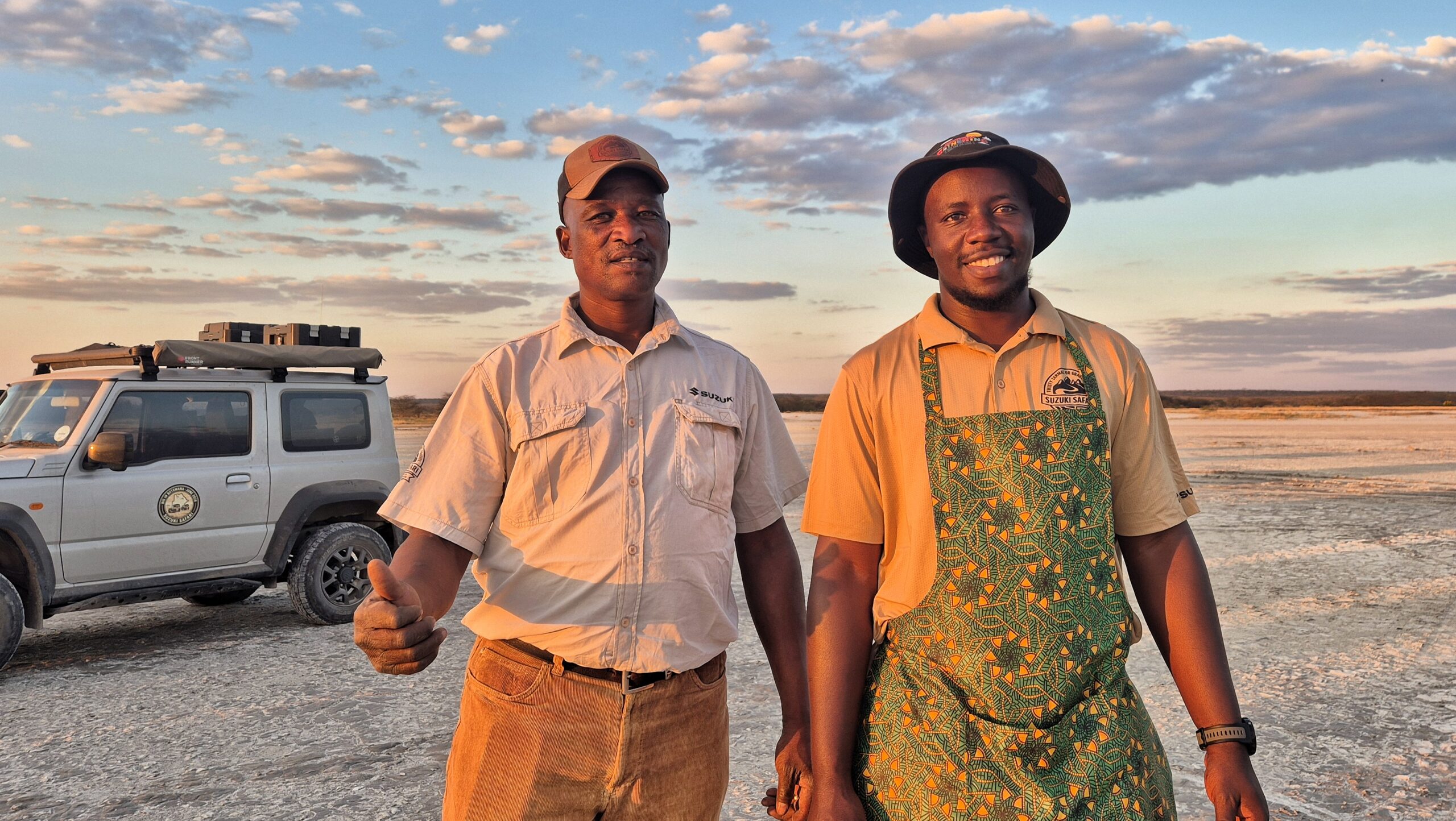
Sharing Africa meant more than sharing its roads, rivers and open spaces with wildlife. It also meant sharing moments with the people whose lives are woven into these landscapes, with fellow travellers who became companions, and with the small community that quietly formed around our convoy over eleven unforgettable days. In the end, it was these human connections that completed the journey.
As travellers, we crossed paths with people whose home we had entered. We passed through their towns, stayed at their camps and, for brief moments, became part of their everyday lives. In doing so, we discovered that some of the journey’s most enduring memories had little to do with places at all. They had everything to do with people.
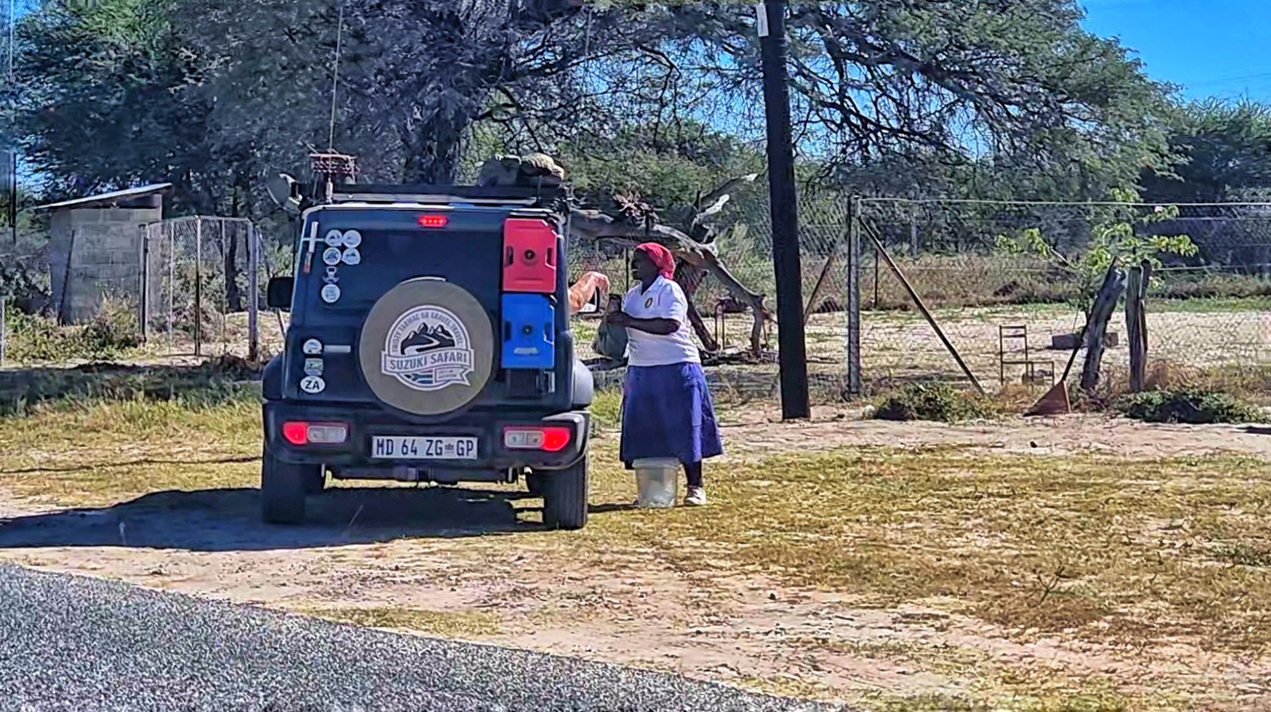
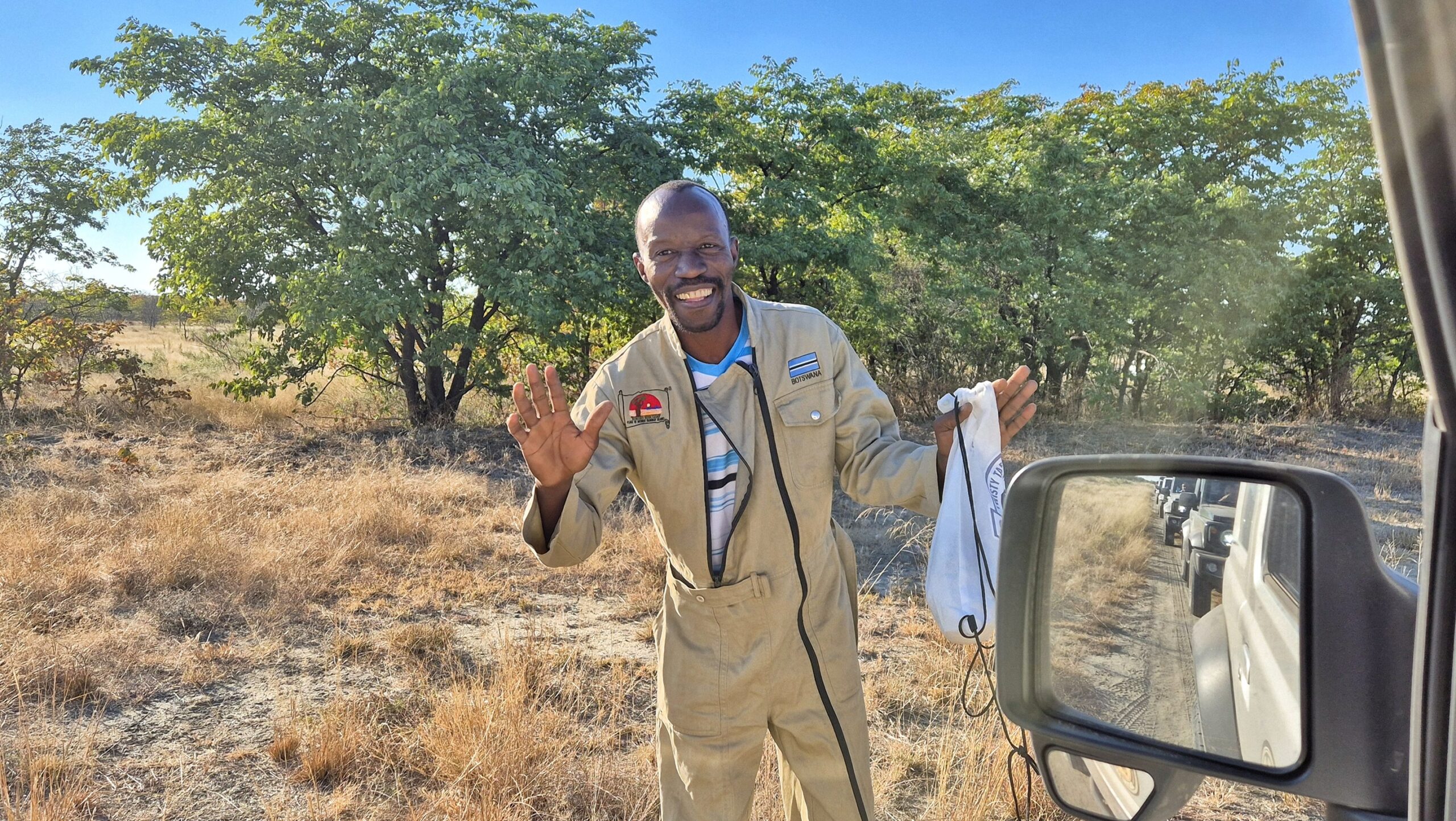
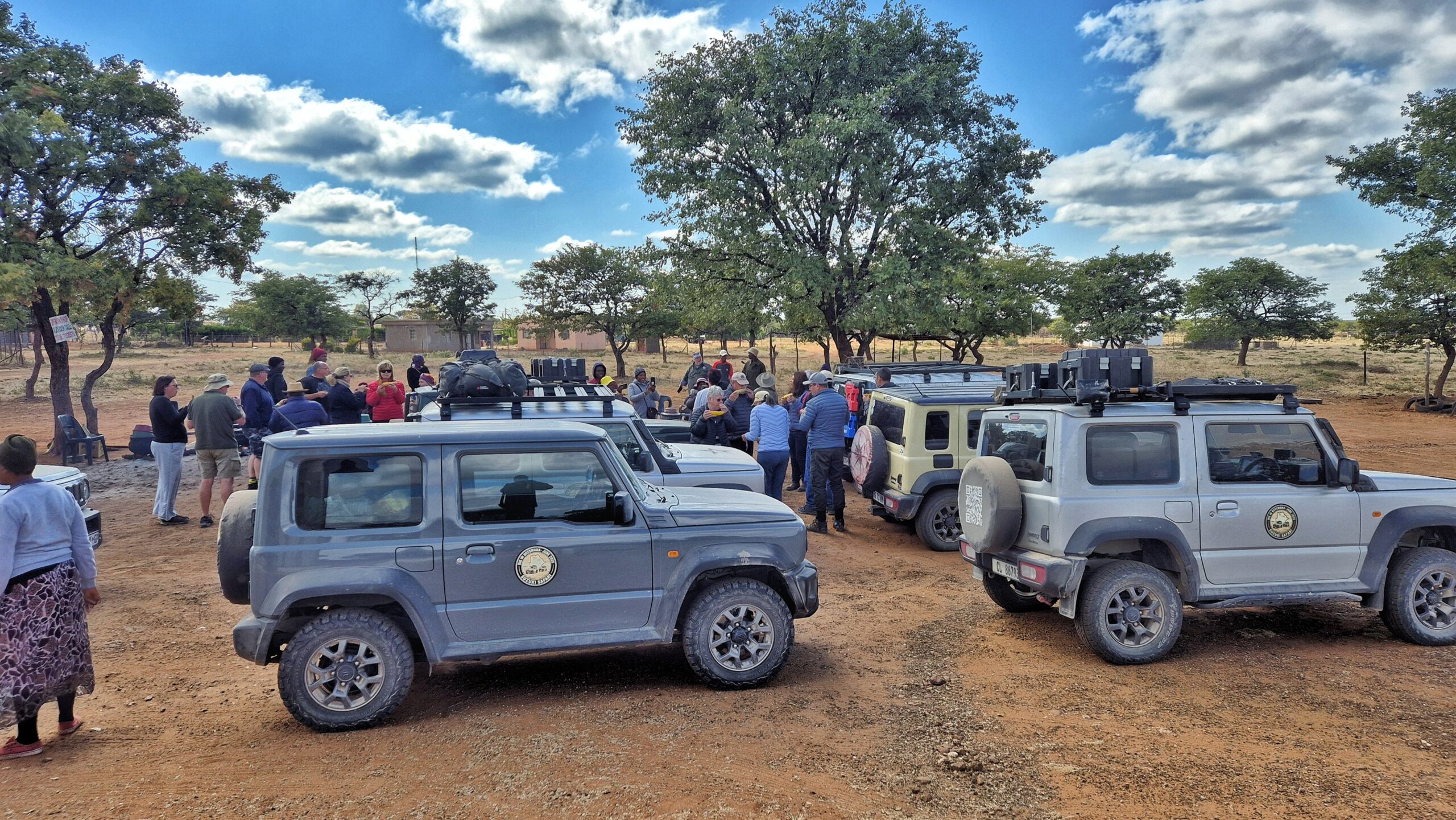
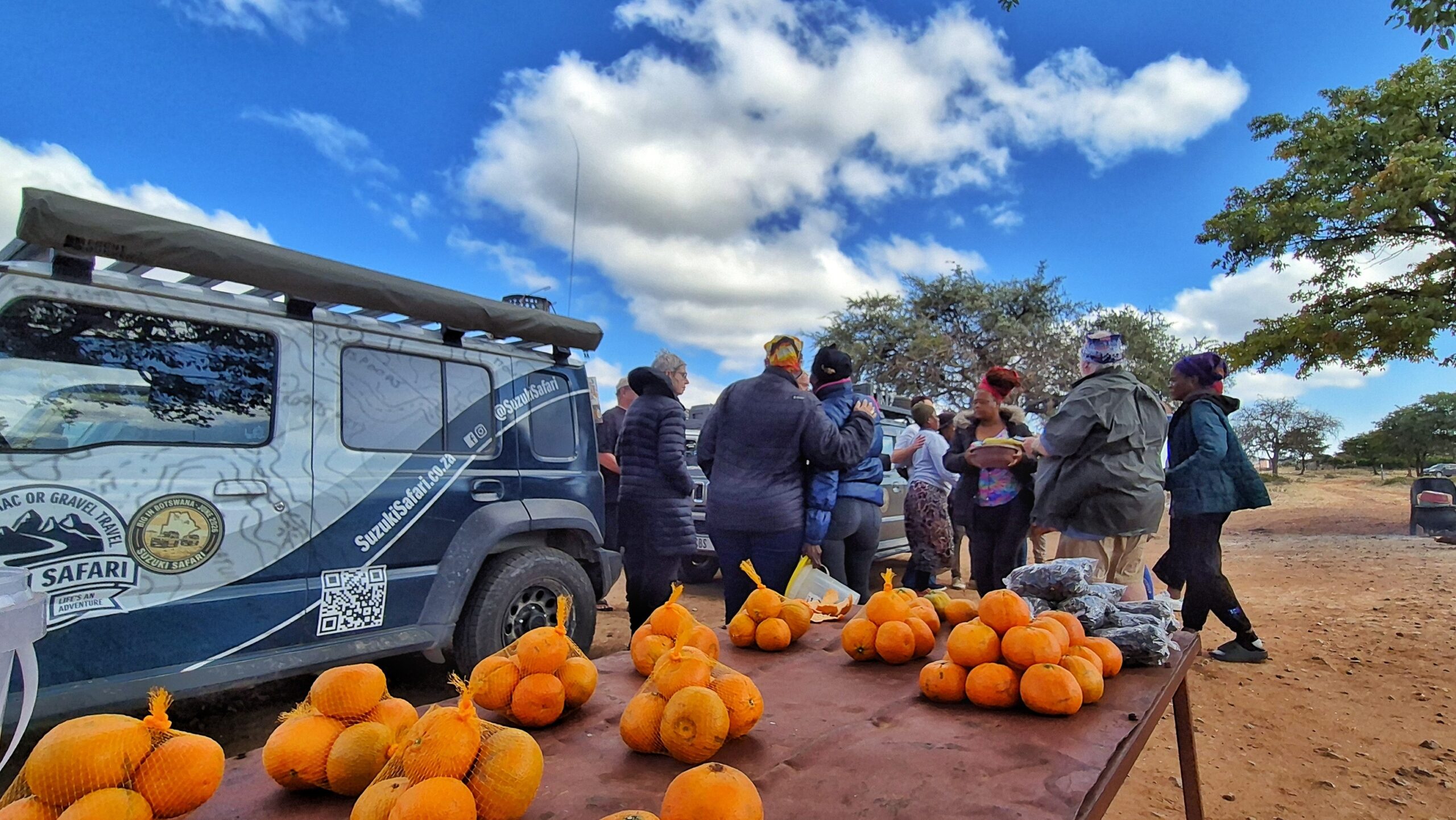
Wherever we went, strangers had an extraordinary way of making us feel as though we belonged. A chance conversation with a senior police officer at Swamp Stop became an unexpected welcome. A stop at a remote cattle post introduced us to Tendane, one of JJ’s many friends in Botswana, whose warmth made it seem as though he had been expecting us all along.
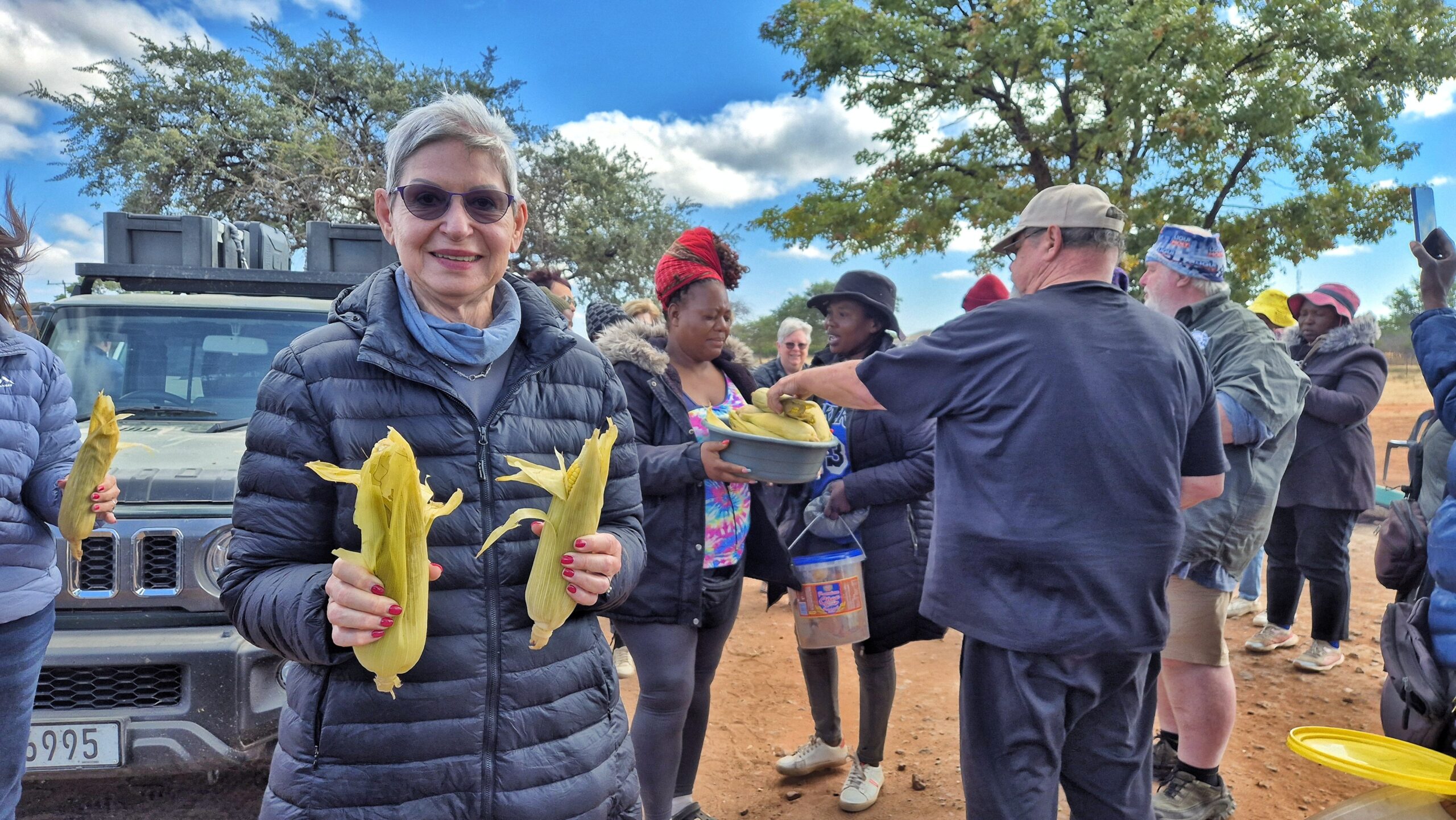
Along a dusty roadside, the joyful ululations of a street vendor echoed through the morning after JJ unexpectedly bought her entire batch of freshly made magwinya to share with the convoy. At a roadside kitchen where women were preparing food in pots over open fires, smiles of quiet pride greeted us as we enjoyed a simple lunch of roasted mealies and magwinya prepared especially for our arrival. Even at veterinary control points, where routine could easily have become impersonal, those carrying out their work did so with quiet dignity and genuine courtesy.
None of these encounters lasted very long. Most were measured in minutes rather than hours. Yet each left behind something surprisingly enduring. They reminded us that travelling is not only about discovering new places; it is also about allowing complete strangers, however briefly, to become part of your story – and becoming part of theirs.
When time begins to disappear
There comes a point on journeys like these when something quietly changes.
You cannot identify the exact day, or even the particular road where it happened. Looking back, it seems to have unfolded somewhere between the endless horizons of the Trans-Kalahari Highway, the patient flow of the Okavango and the campfire conversations that ended the day.
Without realising it, time had begun to lose its grip on us.
At home, life is measured by clocks, calendars and commitments. Africa measures life differently. Here, sunrise matters more than alarm clocks. Rivers follow the rhythm of distant rains. Elephants cross roads when they choose. Campsites come alive as fires are lit and the first stars appear overhead.
Gradually, we stopped asking what time it was. Instead, we found ourselves asking different questions.
Will the elephants come down to the river tonight?
Do you hear the lions?
Is there enough wood for the campfire?
Those questions, somehow, felt more important than the time of day.
Looking back, I realise that Africa had been teaching us this lesson from the very beginning. It first asked us to surrender control. Then it taught us patience. Slowly, almost without noticing, we stopped living by the clock and started living by the rhythm of the journey.
But then, only on our final evening in Botswana did I fully understand what Africa and this tour had been preparing us for.
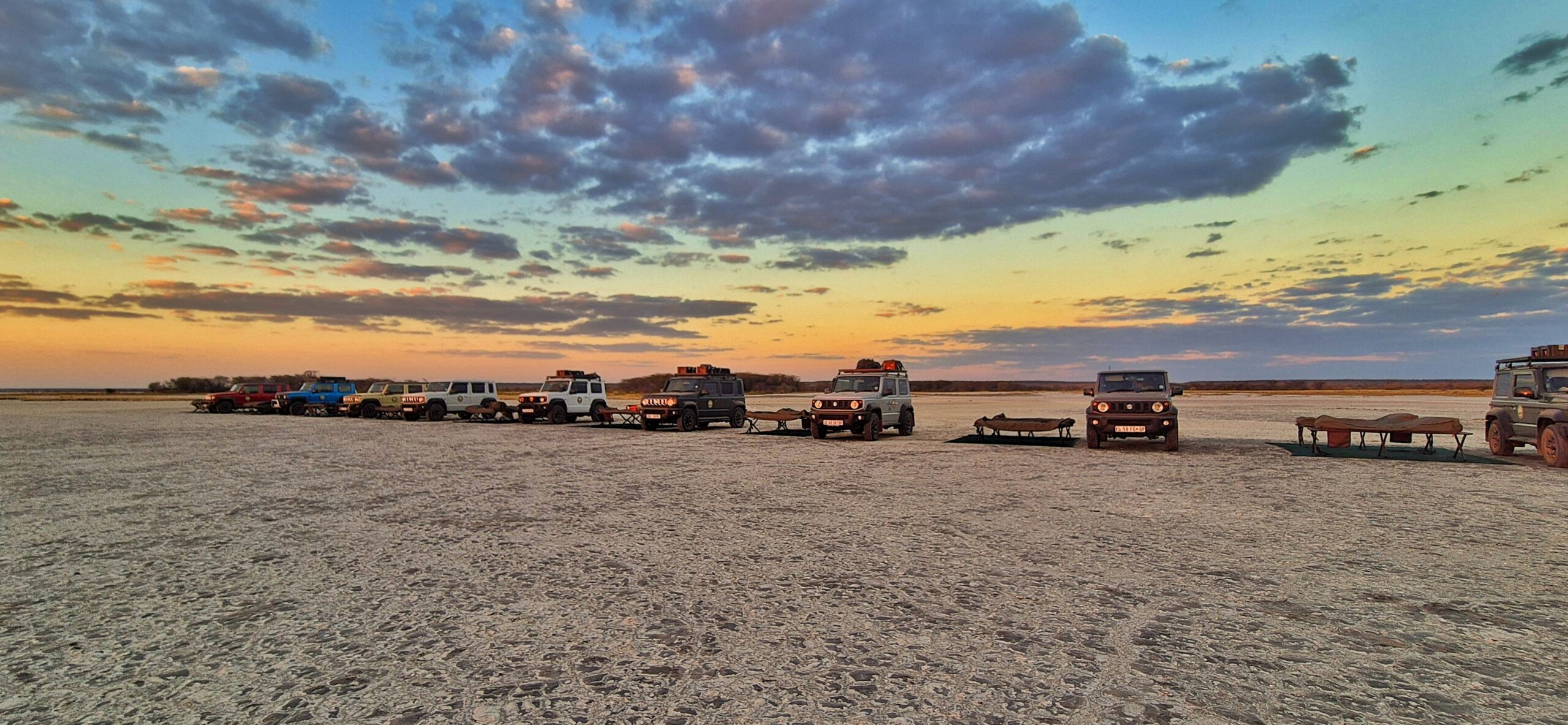
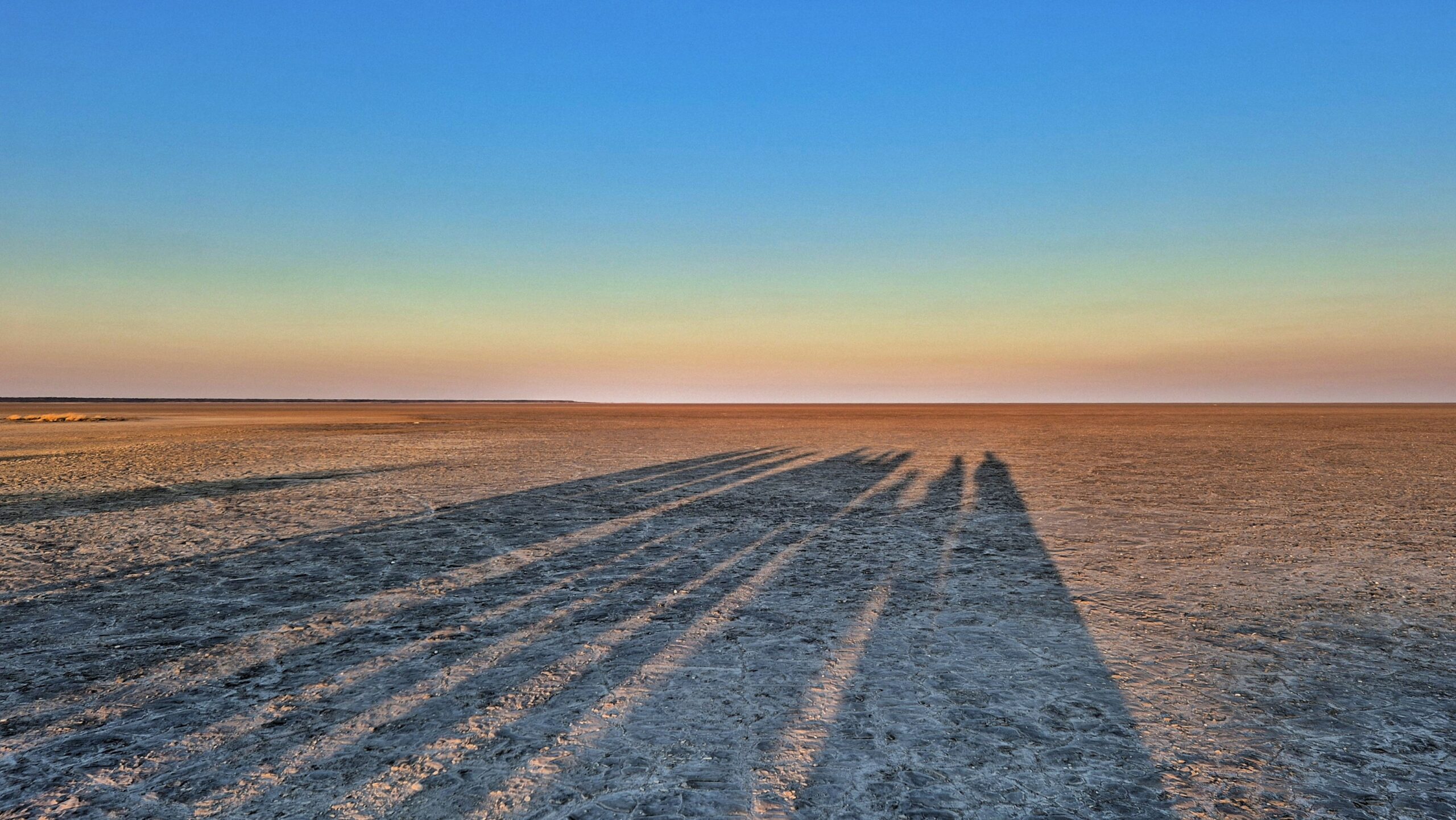
On the Makgadikgadi Pan
The Makgadikgadi Pan – part of a complex of several interconnected salt pans in Botswana – is the remnant of one of Africa’s greatest ancient inland lakes. Over thousands of years, the lake gradually disappeared, leaving behind an immense, shimmering salt plain that stretches to horizons so distant they seem to merge with the sky. For most of the year it lies silent beneath the African sun, interrupted only by the wind, the occasional footprint and the changing light. It is a landscape shaped as much by time as by geology – a place where water once lingered, but where silence now reigns.
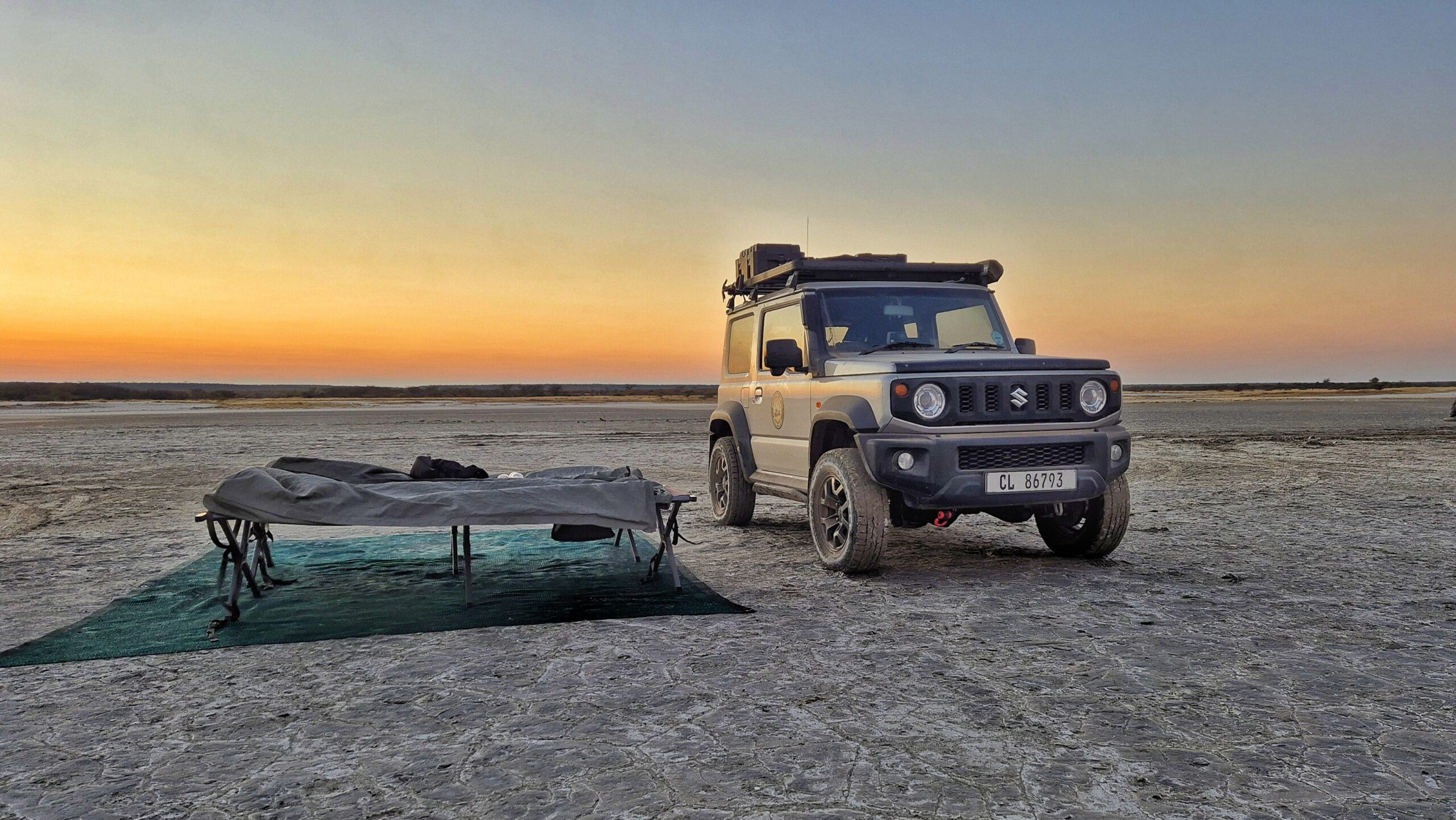
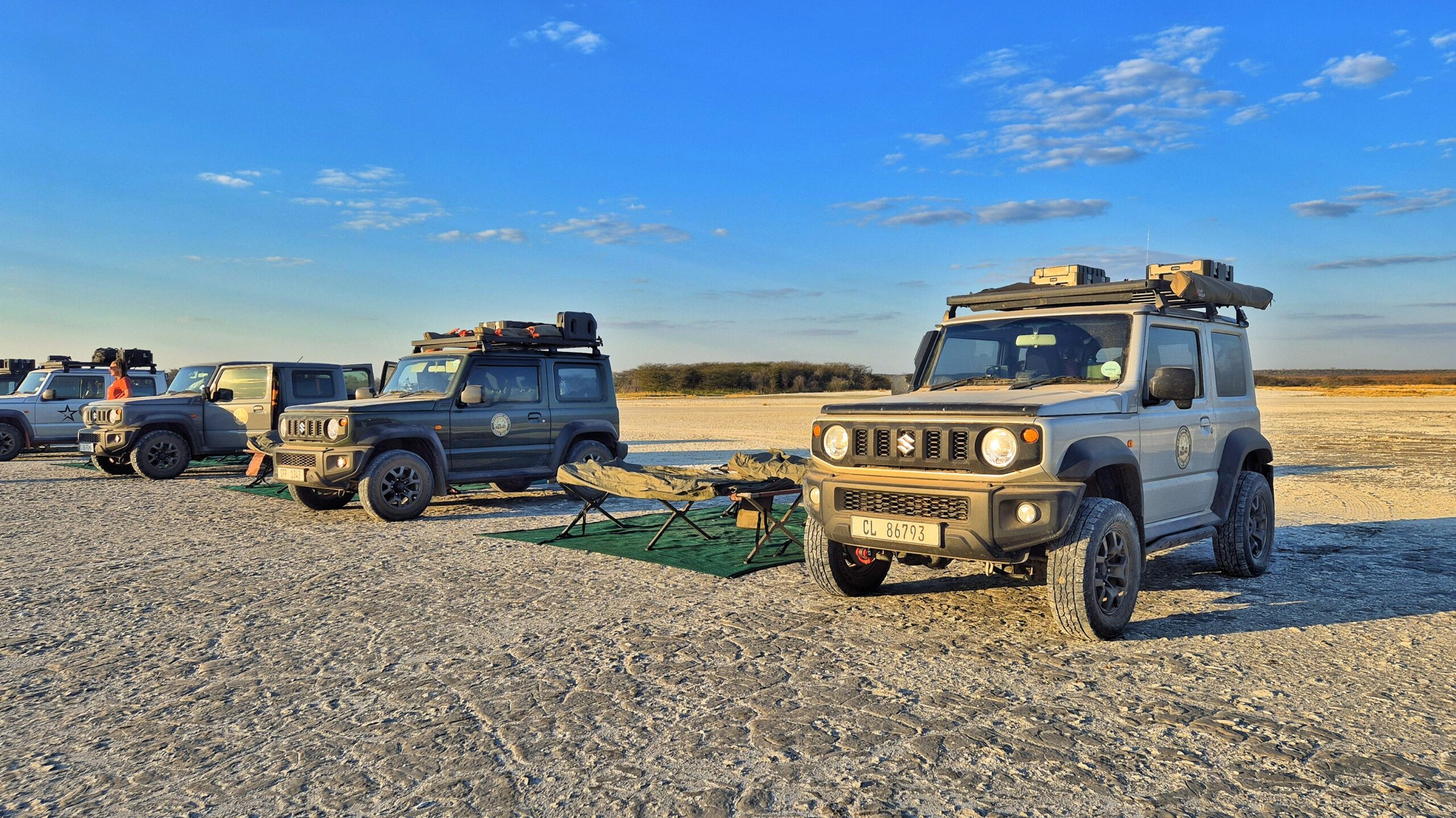
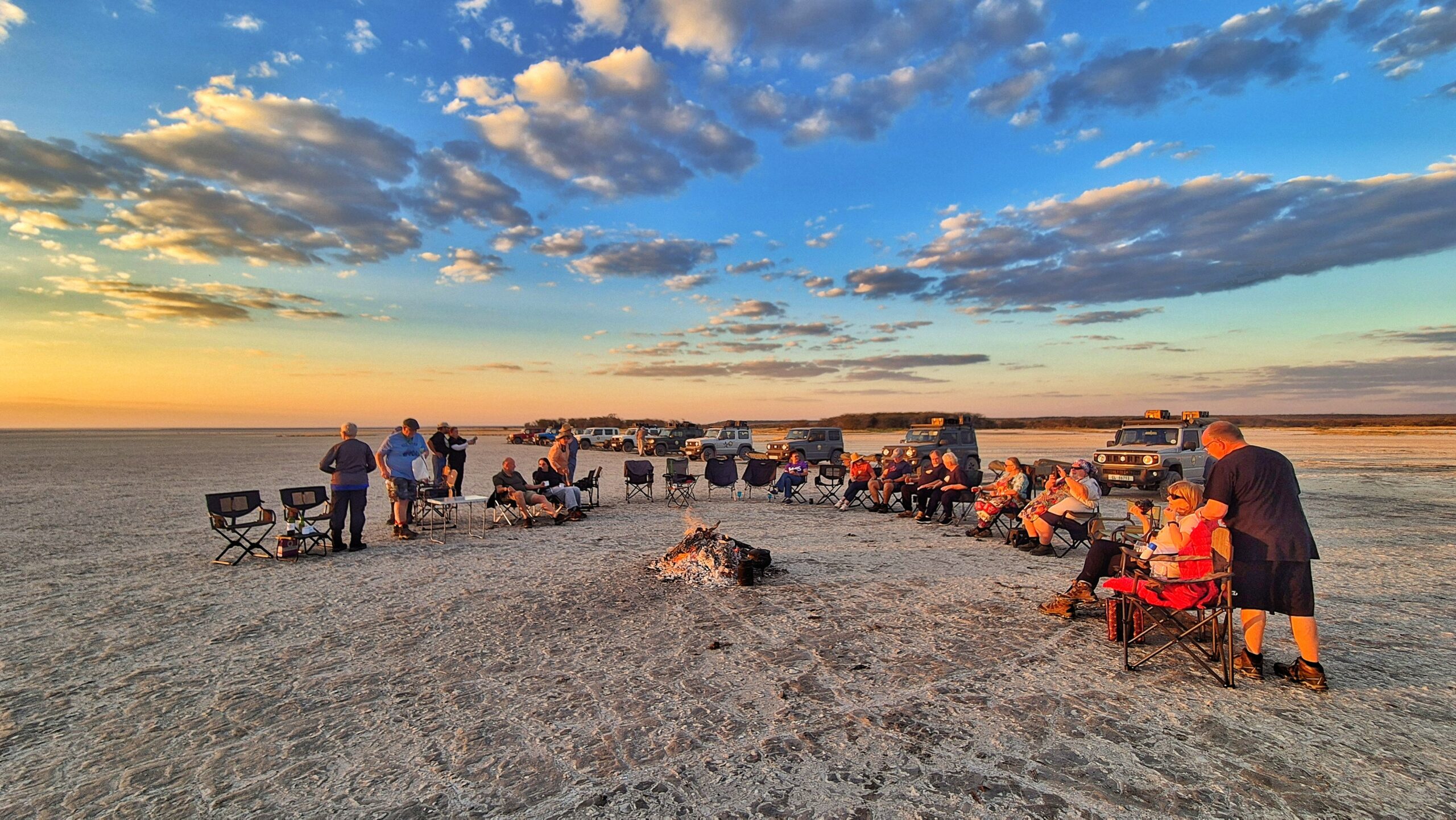
When JJ announced that we would spend our final night sleeping in the open beneath the stars on this ancient pan, I expected little more than another memorable campsite. Instead, it became the place where everything the journey had been teaching us quietly came together.
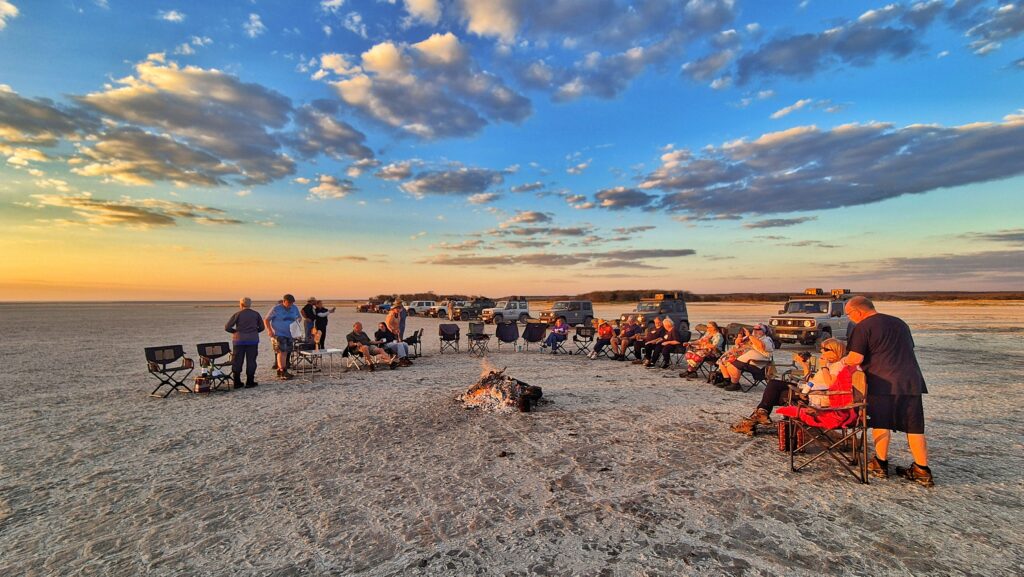
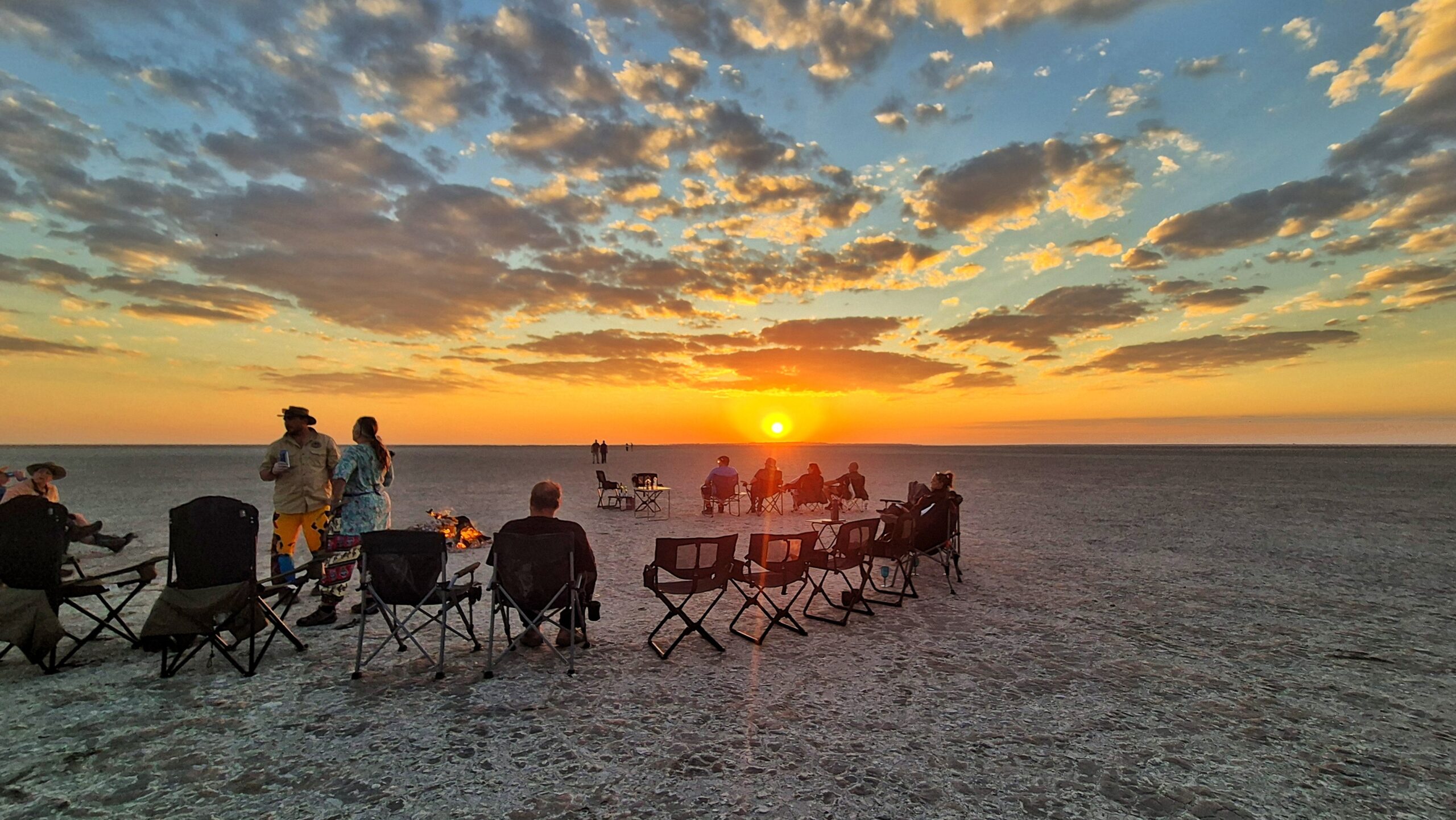
Arriving late afternoon and settling in as the sun slowly started to slip below the endless horizon, conversation gradually softened. There was nowhere to hurry to and nothing demanding our attention. Chairs formed an informal circle around the campfire, while our Jimnys stood quietly nearby, insignificant against the vastness surrounding us. One by one, the familiar markers of everyday life disappeared until only the sky, the earth and the people sharing that moment remained.
Standing on the pan, I became acutely aware of how small we really are. The immensity of the landscape did not diminish us – it placed us in perspective. It invited solitude without loneliness, introspection without melancholy, and a quiet humility that is difficult to find in a world filled with constant movement and noise.
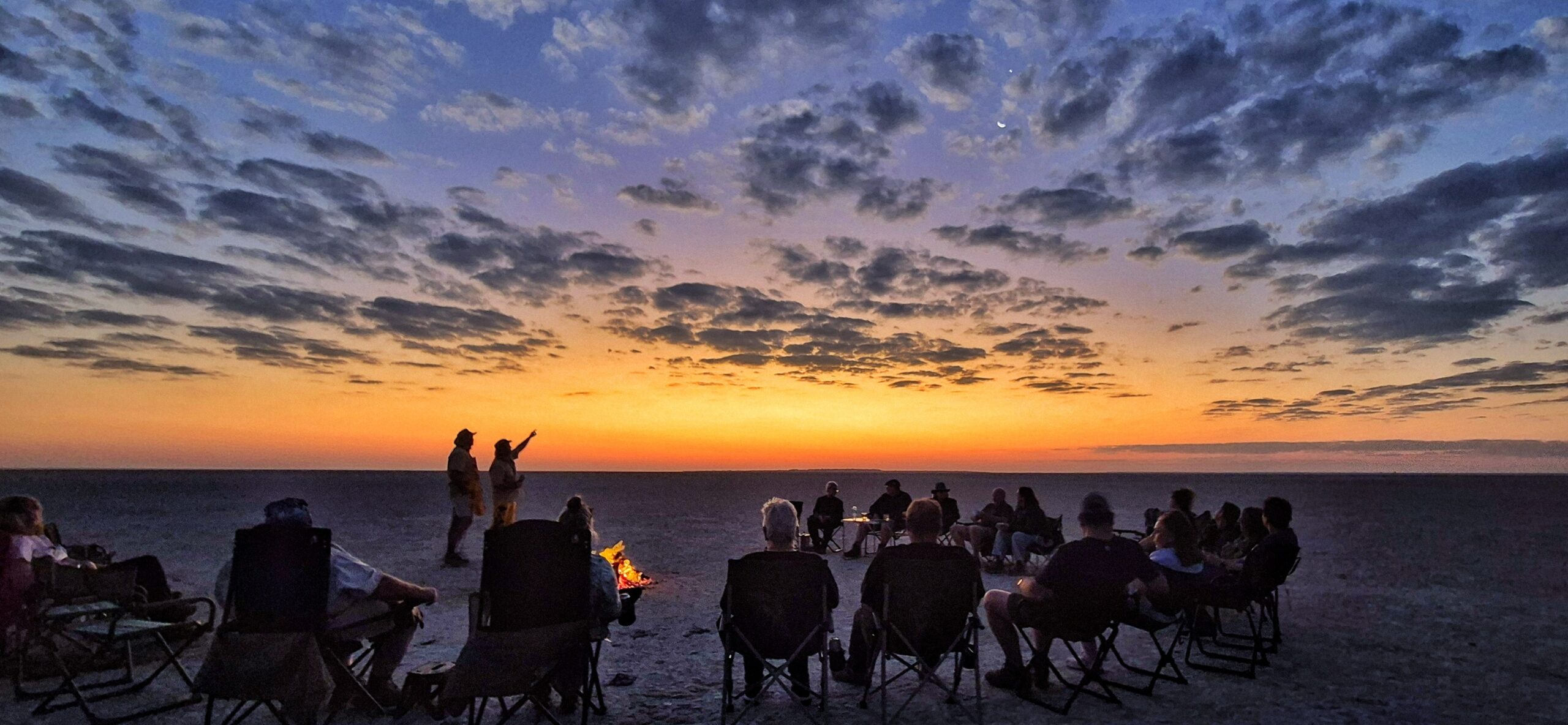
That night, lying beneath a sky crowded with stars, I realised that time itself had begun to lose its importance. We arrived at a stage where evenings were no longer measured by hours or schedules, but by the slow fading of daylight, the glow of the fire, the appearance of the first stars and the quiet conversations that lingered into the night. On the ancient floor of a vanished lake, time no longer felt like something to be managed, but something to be lived.
Perhaps that was the greatest gift of the Makgadikgadi Pan – it reminded me that time is not measured only by clocks, but also by sunsets, stars, silence and, especially, the people with whom we share it.
Images: Spending the night on the Makgadikgadi Pan
Where Africa gets under your skin
Looking back, I realise that Botswana and Namibia’s Zambezi Region never changed me through one defining moment. There was no single wildlife sighting, no breathtaking sunset, no unforgettable campfire conversation or remarkable destination that, on its own, explains why this journey has remained with me.
Instead, it happened quietly.
One road led to another. One border post became another passport stamp. Rivers followed rivers. Campfires gave way to dawns, and strangers became friends. Each experience seemed complete in itself, yet each quietly prepared the way for the next.
Only afterwards did I understand that the true journey had taken place somewhere between those individual moments.
What I carried home was far greater than the memories of the roads we travelled, the rivers we crossed or the wildlife we encountered. It was the rhythm that connected them all. The sum of those countless ordinary and extraordinary moments became something far richer than any one experience could ever have been on its own.
A year earlier, Namibia had opened the door. Botswana and Namibia’s Zambezi Region invited us to step through it.
Together, they taught me that Africa is not a place to be conquered, hurried through, or neatly explained. It is a place to be experienced with patience, humility and gratitude. It asks you to slow down, to surrender control, to notice the ordinary, to share rather than possess, and to understand that life unfolds according to rhythms far older than our own.
By the time we crossed back into South Africa, the final passport stamp mattered far less than everything Africa had quietly stamped on us.
Perhaps that was Africa’s greatest gift.
It never demanded our attention. It simply revealed itself, little by little, until we realised that the greatest change had taken place within us. It had quietly changed the way we saw Africa – and ourselves.
For all of this, I remain deeply grateful to my fellow travellers whose companionship and shared spirit enriched every step of the journey, and to JJ, Karen, François, Justin, Piet and Xilemane from Suzuki Safari, whose quiet dedication and generosity made it possible. Big in Botswana 2026 expedition became far more than an overland tour. It became the journey through which Africa found its way under my skin.
Author: Johan du Preez